Demystifying Wuxia Dramas: 2026 Themes & US Appeal
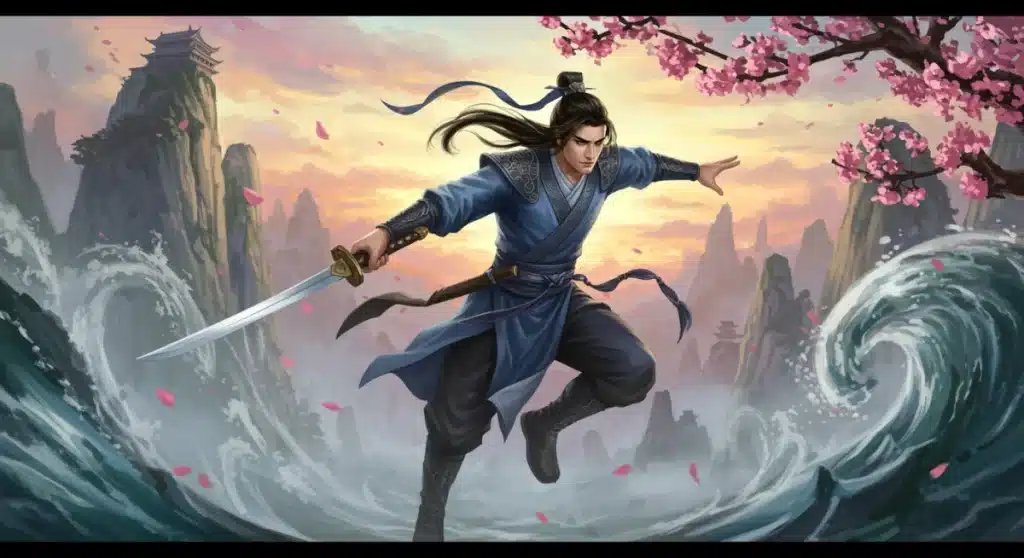
Wuxia dramas, a genre rooted in Chinese martial arts fantasy, continue to captivate US audiences in 2026 by exploring universal themes of honor, justice, and destiny through breathtaking action and intricate storytelling.
For enthusiasts and newcomers alike, understanding the allure of Demystifying Wuxia Dramas: Your 2026 Guide to 3 Core Themes and Their US Appeal is crucial. These captivating narratives, steeped in ancient Chinese culture, offer a unique blend of philosophy, martial arts, and epic romance.
The Enduring Appeal of Wuxia: A Global Phenomenon
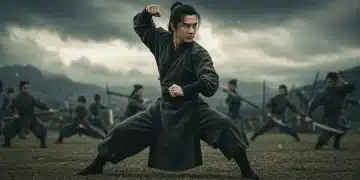
Wuxia, a genre of Chinese fiction and film focusing on the adventures of martial artists in ancient China, has transcended cultural boundaries to become a global phenomenon. Its rich tapestry of stories, often featuring heroes with superhuman abilities, intricate moral dilemmas, and breathtaking landscapes, offers an escape into a world of honor and adventure.
The genre’s evolution, from classic novels to modern television series, has consistently drawn in diverse audiences, particularly in the United States. In 2026, wuxia dramas are more accessible than ever, thanks to streaming platforms and dedicated fan communities.
Historical Roots and Modern Adaptations
The genesis of wuxia can be traced back to ancient Chinese folklore and literature, with stories of chivalrous warriors defending the innocent and upholding justice. These foundational tales laid the groundwork for what would become a beloved genre.
- Literary Classics: Works by Jin Yong and Gu Long established many wuxia tropes.
- Film Adaptations: Iconic films like ‘Crouching Tiger, Hidden Dragon’ brought wuxia to Western consciousness.
- Television Series: Modern dramas offer serialized storytelling, allowing for deeper character development.
Understanding this historical context enriches the viewing experience, providing insight into the cultural significance and narrative depth of these productions. The genre continues to adapt, integrating contemporary storytelling techniques while preserving its traditional essence.
The enduring appeal of wuxia lies in its ability to blend fantasy with relatable human struggles. Viewers are drawn to the aspirational qualities of its heroes, their unwavering dedication to their principles, and the epic scope of their journeys. This universal resonance is a key factor in its continued growth and success in the US market.
Core Theme 1: The Unyielding Pursuit of Honor
Honor, or ‘Yi’ (义) in Chinese, stands as a cornerstone of wuxia narratives, shaping characters’ motivations, conflicts, and ultimate destinies. This theme is not merely about personal reputation but encompasses a broader code of ethics, integrity, and moral righteousness that guides martial artists in their perilous journeys.
In wuxia dramas, honor often dictates allegiance, sacrifice, and the very definition of heroism. Characters grapple with difficult choices, where upholding their honor may mean personal loss or even death, yet they persevere, driven by an internal compass of what is right.
Defining ‘Yi’ in Wuxia Context
The concept of ‘Yi’ is multifaceted, extending beyond simple honesty to include loyalty, selflessness, and a commitment to justice. It’s about living up to one’s principles, regardless of external pressures or personal cost.
- Loyalty: To one’s master, sect, family, or sworn brothers/sisters.
- Integrity: Adhering to a moral code even in the face of temptation.
- Self-Sacrifice: Putting the greater good or others’ well-being before one’s own.
This deep dive into moral philosophy distinguishes wuxia from many Western action genres, where individualistic heroism often takes precedence. The collective good and the maintenance of a societal moral order are frequently central to the heroes’ quests, making their struggles more profound and relatable.
The pursuit of honor often leads to intense internal and external conflicts. Characters may find themselves torn between conflicting loyalties or forced to confront their own flaws to truly embody the ideals of ‘Yi.’ This complex exploration of morality adds significant depth to the storytelling, resonating deeply with audiences who appreciate nuanced character development.
Core Theme 2: Justice and Retribution in the Jianghu
The concept of justice, often intertwined with retribution, forms another critical pillar of wuxia dramas. The ‘Jianghu’ (江湖), or the ‘rivers and lakes,’ is the martial artists’ world—a realm outside conventional society where laws are often enforced by the strong, and justice is frequently a personal quest rather than a legal one.
Heroes in wuxia often embark on journeys to avenge wrongs, right injustices, or protect the innocent from corrupt forces. This pursuit of justice can be a long and arduous path, filled with betrayals, moral ambiguities, and the weight of their own actions.
The Role of Vigilantism and Personal Justice
Since the Jianghu operates outside official jurisdiction, martial artists frequently take on the role of vigilantes. They become the arbiters of justice, dispensing it with their martial prowess and moral conviction. This often involves confronting powerful villains who exploit the weak or abuse their authority.
- Avenging Family: Many heroes seek retribution for the murder of loved ones.
- Protecting the Weak: A common heroic trope is defending villagers or vulnerable individuals.
- Upholding Righteousness: Combating corrupt sects or tyrannical figures.
The theme of justice in wuxia is rarely black and white. Heroes frequently face situations where the lines between right and wrong are blurred, forcing them to make difficult ethical decisions. This complexity makes their struggles more compelling and reflects real-world moral dilemmas, even within a fantastical setting.
Retribution, while often a driving force, is also explored with its consequences. The cycle of vengeance can be endless, and true justice sometimes requires breaking that cycle. Wuxia dramas often ponder whether vengeance truly brings peace, adding a philosophical layer to their action-packed narratives and making them more than just tales of fighting.
Core Theme 3: Destiny, Fate, and Free Will
The interplay of destiny, fate, and free will is a profound philosophical theme woven throughout many wuxia dramas. Characters often find themselves caught in the currents of predetermined events, prophesies, or long-standing feuds, yet their choices and actions ultimately define their paths.
This theme explores the human struggle against an seemingly inevitable future, asking whether individuals can truly forge their own destinies or if they are merely pawns in a grand cosmic design. It adds a layer of introspection and existential depth to the martial arts adventures.
Challenging and Embracing Fate
Wuxia heroes frequently encounter prophecies or ancient curses that seem to dictate their lives. Some characters choose to defy these predictions, fighting against what appears to be their predetermined fate, while others embrace their roles, believing it is their duty to fulfill their destiny.
- Prophecies: Characters born under specific omens or destined for greatness/tragedy.
- Family Legacies: Inheriting feuds or responsibilities from ancestors.
- Unforeseen Encounters: Seemingly random events that alter a character’s path.
The exploration of destiny versus free will provides rich ground for character development. Heroes are not static figures; they evolve through their struggles to understand and influence their own fates. This internal conflict resonates with audiences who ponder similar questions about their own lives and choices.
Ultimately, wuxia often suggests a balance: while certain events may be fated, how characters react to them, the choices they make, and the virtues they uphold are matters of free will. This nuanced perspective offers both dramatic tension and philosophical reflection, inviting viewers to consider the power of individual agency within larger cosmic forces.
The US Appeal: Why Wuxia Resonates in America
The growing popularity of wuxia dramas in the United States isn’t just a fleeting trend; it’s a testament to the genre’s universal storytelling power. Beyond the fantastical martial arts, wuxia taps into fundamental human desires and values that transcend cultural barriers, making it deeply relatable to American audiences.
The accessibility provided by streaming services and robust fan communities has significantly lowered the entry barrier, allowing more viewers to discover and appreciate these intricate narratives. This increased exposure has highlighted the common ground between Eastern and Western storytelling.
Universal Themes and Gripping Narratives
American audiences are drawn to wuxia for many of the same reasons they enjoy Western epics or superhero narratives. The core themes of honor, justice, and destiny are universally understood and appreciated, providing a strong emotional hook. The moral complexities and character-driven plots offer a refreshing alternative to more straightforward action fare.
- Hero’s Journey: Wuxia often follows classic archetypes familiar to Western viewers.
- Moral Ambiguity: Complex characters and ethical dilemmas resonate with mature audiences.
- Spectacular Action: The unique blend of martial arts and fantastical elements is visually stunning.
The intricate world-building, often featuring elaborate political structures, ancient sects, and diverse martial arts schools, provides a rich tapestry for audiences to immerse themselves in. This depth of lore mirrors the appeal of popular fantasy franchises, drawing in viewers who appreciate detailed fictional universes.
Furthermore, the high production values of many modern wuxia dramas, including stunning cinematography, elaborate costumes, and impressive special effects, compete with and often surpass mainstream Western productions. This visual grandeur, combined with compelling narratives, creates an irresistible viewing experience that continues to expand its fanbase in the US.
Future Trends: Wuxia in 2026 and Beyond
As we look towards 2026 and beyond, the landscape of wuxia dramas is poised for continued innovation and global expansion. The industry is adapting to audience demands, embracing technological advancements, and exploring new narrative avenues to keep the genre fresh and engaging. This forward momentum indicates a vibrant future for wuxia.
Expect to see more international collaborations, diverse interpretations of classic tales, and a greater emphasis on character-driven stories that delve even deeper into the human condition. The genre is not static; it is a living, evolving art form.
Technological Advancements and Storytelling Evolution
Advances in CGI and virtual production are enabling filmmakers to create even more spectacular and realistic martial arts sequences and fantastical environments. This technological leap enhances the visual appeal and allows for more ambitious storytelling.
- Enhanced Visuals: More realistic and breathtaking fight choreography and special effects.
- Interactive Storytelling: Potential for new formats that engage viewers more directly.
- Global Distribution: Continued expansion into new markets through streaming platforms.
Narratively, there’s a growing trend towards exploring more nuanced characters and themes, moving beyond traditional hero-villain dynamics. Modern wuxia often delves into psychological complexities, societal issues, and even explores elements of other genres, such as mystery or romance, creating hybrid forms that appeal to a broader audience.
The future of wuxia dramas in the US and globally appears bright, with a clear trajectory towards increased sophistication in both production and storytelling. As the genre continues to evolve, it will undoubtedly attract new generations of fans, solidifying its place as a powerhouse in international entertainment.
Navigating the World of Wuxia: A Viewer’s Guide
For those new to wuxia dramas, the sheer volume and complexity can seem daunting. However, with a few pointers, navigating this rich cinematic universe becomes an exciting adventure. Understanding where to start and what to look for can significantly enhance your viewing experience.
The key is to approach it with an open mind, appreciating the cultural nuances and storytelling conventions that may differ from Western productions. Once you grasp the basics, a world of epic tales awaits.
Getting Started and Recommended Viewing
Begin by exploring popular titles known for their high production values and compelling narratives. Many streaming platforms now offer curated lists and English subtitles, making access easier than ever.
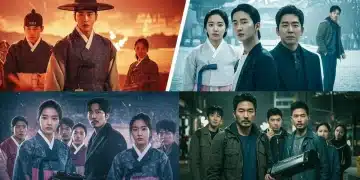
- Start with Classics: Titles like ‘Nirvana in Fire’ or ‘The Untamed’ are great entry points.
- Explore Different Eras: Some wuxia is set in specific dynasties, offering varied historical contexts.
- Join Fan Communities: Online forums and social media groups offer recommendations and discussions.
Pay attention to the cultural context and philosophical underpinnings. Many wuxia dramas draw heavily from Confucianism, Taoism, and Buddhism, which inform character motivations and plot developments. A basic understanding of these concepts can deepen your appreciation of the stories.
Don’t be afraid to experiment with different subgenres within wuxia, such as those with a stronger focus on romance, mystery, or political intrigue. Each offers a unique flavor of martial arts fantasy, ensuring there’s something for every taste. The journey into wuxia is as rewarding as the stories themselves.
| Key Theme | Brief Description |
|---|---|
| Honor (‘Yi’) | Unyielding moral code, loyalty, and integrity driving character actions and conflicts. |
| Justice & Retribution | Heroes seeking to right wrongs and protect the weak in the martial world (Jianghu). |
| Destiny & Free Will | The philosophical battle between predetermined fate and individual choice. |
| US Appeal | Universal themes, stunning visuals, and accessible streaming platforms drive popularity. |
Frequently Asked Questions About Wuxia Dramas
A wuxia drama is a Chinese genre featuring martial artists (wuxia) who often possess superhuman abilities. These stories typically involve themes of chivalry, honor, justice, and revenge, set in historical or fantastical ancient China. They blend martial arts action with intricate plots and philosophical undertones.
Wuxia themes resonate with US audiences due to their universal nature. Concepts like the pursuit of justice, honor, and the struggle against destiny are deeply relatable across cultures. The visually stunning martial arts and complex character development also appeal to a broad spectrum of viewers.
While many wuxia dramas contain action sequences and themes of violence or mature relationships, many are suitable for older teenagers and adults. It’s always advisable to check specific drama ratings and content warnings, as some can be quite intense in their depiction of conflict and moral dilemmas.
In the US, wuxia dramas are widely available on various streaming platforms. Popular choices include Viki, Netflix, YouTube (often with official channels for specific dramas), and sometimes Amazon Prime Video. Many also have dedicated fan translation sites, though official platforms offer higher quality.
The ‘Jianghu’ translates to ‘rivers and lakes’ and refers to the martial arts world, a subculture parallel to mainstream society in wuxia. It’s a realm where martial artists operate by their own codes of conduct, often outside conventional law, pursuing their own forms of justice and adventure.
Conclusion
The journey through Demystifying Wuxia Dramas: Your 2026 Guide to 3 Core Themes and Their US Appeal reveals a rich and captivating genre that continues to evolve and enchant. Its profound exploration of honor, justice, and destiny, coupled with breathtaking martial arts and intricate narratives, ensures its enduring popularity. As streaming platforms expand and production quality soars, wuxia dramas are set to further cement their place in the hearts of US audiences, offering a unique blend of cultural depth and universal storytelling that transcends borders and generations.