Anúncios
This article meticulously compares and reviews the four most impactful historical K-dramas released in the past year, offering history enthusiasts an in-depth analysis of their narratives, historical accuracy, and production values.
Anúncios
For those who appreciate both captivating storytelling and rich historical detail, comparing the top 4 historical K-dramas released in the last 12 months: a detailed review for history buffs is an essential endeavor. These series offer more than just entertainment; they provide a window into Korea’s past, blending factual events with compelling narratives.
Anúncios
The Enduring Appeal of Historical K-Dramas
Historical K-dramas, often referred to as ‘sageuk,’ have carved a significant niche in the global entertainment landscape. Their intricate plots, stunning cinematography, and deep dives into Korea’s dynastic eras consistently draw in viewers. These dramas are not merely period pieces; they are cultural phenomena that educate and entertain, often sparking a renewed interest in Korean history and traditions.
The genre’s success lies in its ability to humanize historical figures and events, making them relatable to a contemporary audience. Whether it’s the Joseon Dynasty’s political machinations or the Goryeo era’s romantic sagas, sageuks offer a unique blend of drama, romance, action, and sometimes even fantasy. This blend ensures that there is something for every viewer, from casual fans to ardent history enthusiasts looking for authenticity.
Why History Buffs Gravitate Towards Sageuks
- Historical Accuracy: Many sageuks meticulously research historical facts, costumes, and settings, striving for authenticity.
- Cultural Immersion: They provide a vivid portrayal of traditional Korean culture, etiquette, and societal structures.
- Complex Characters: Historical figures are often depicted with depth, exploring their motivations, struggles, and triumphs.
- Epic Scale: Grand productions, including elaborate sets, stunning landscapes, and large-scale battles, are a hallmark of the genre.
The enduring appeal of historical K-dramas shows no signs of waning. Each year brings a fresh crop of series that push the boundaries of storytelling while honoring the rich tapestry of Korean history. This continuous evolution keeps the genre vibrant and relevant, ensuring that audiences always have new historical worlds to explore.
“The Red Sleeve”: A Royal Romance Unveiled
“The Red Sleeve,” released within our review period, quickly captivated audiences with its poignant portrayal of King Jeongjo and court lady Seong Deok-im. Set during the late Joseon Dynasty, the drama explores their complex relationship, marked by duty, affection, and the rigid societal norms of the time. Its narrative largely focuses on the emotional depth and personal sacrifices made within the confines of the royal court.
The series is lauded for its exquisite cinematography and meticulous attention to historical detail regarding court life and attire. Viewers are transported to an era where every gesture and word carried significant weight. The performances of Lee Junho as King Jeongjo and Lee Se-young as Seong Deok-im received widespread critical acclaim, bringing a nuanced humanity to their historical counterparts.
Historical Context and Portrayal
- King Jeongjo’s Reign: The drama accurately depicts the political climate and challenges faced by Jeongjo, a monarch known for his reform efforts.
- Court Lady Life: It offers an intimate look into the lives of court ladies, their roles, aspirations, and limitations.
- Power Dynamics: The series skillfully navigates the power struggles within the palace, showcasing the constant tension between royal authority and political factions.
While “The Red Sleeve” takes some creative liberties for dramatic effect, it remains remarkably faithful to the historical records of King Jeongjo and Uibin Seong’s story. This dedication to historical context, combined with a compelling romance, makes it a standout for history buffs who appreciate a blend of historical accuracy and emotional storytelling.
“Under the Queen’s Umbrella”: A Mother’s Struggle for Succession
“Under the Queen’s Umbrella” presents a refreshing take on the historical drama genre, focusing on Queen Im Hwa-ryeong’s fierce determination to protect her sons and secure their place in the royal succession. This drama, also released in the last 12 months, stands out for its strong female lead and its exploration of education and motherhood within the Joseon royal family. Kim Hye-soo’s portrayal of the queen is both commanding and deeply empathetic.
The series delves into the intense competition among royal consorts to have their sons chosen as the Crown Prince. It sheds light on the often-overlooked struggles of royal women, who, despite their high status, were constantly navigating a treacherous landscape of power and expectation. The humor and wit interspersed throughout the drama provide a delightful contrast to the serious themes.
Key Themes and Historical Resonance
- Education System: The drama vividly illustrates the rigorous education system for royal princes and the importance placed on scholarly achievement.
- Maternal Love: At its core, it’s a story of a mother’s unwavering love and sacrifice for her children in a cutthroat environment.
- Royal Concubines: It offers insight into the hierarchy and intricate relationships among the king’s consorts and their respective ambitions.
“Under the Queen’s Umbrella” offers a unique perspective on Joseon history, particularly regarding the role of women in shaping the future of the kingdom. Its engaging plot and powerful performances make it a compelling watch for anyone interested in the social and political dynamics of the era.
“Poong, the Joseon Psychiatrist”: Healing Minds in Joseon
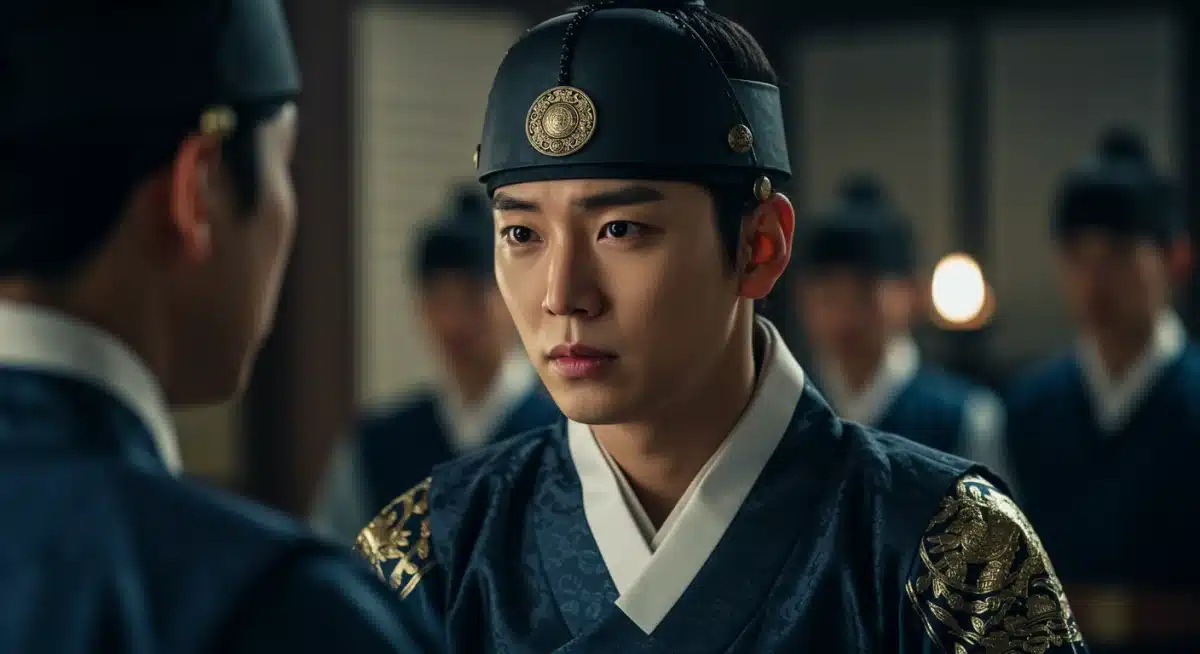
“Poong, the Joseon Psychiatrist” offers a unique and heartwarming blend of historical drama and medical procedural. This series, which aired recently, follows the journey of Yoo Se-poong, a brilliant physician who, after a conspiracy, finds himself exiled and begins a new life as a ‘psychiatrist’ in a rural village. His methods, though unconventional for his time, focus on understanding and healing the mind as well as the body.
The drama is praised for its innovative approach to historical storytelling, integrating themes of mental health and well-being into a Joseon setting. It beautifully illustrates the importance of empathy and compassion in healing, showcasing how emotional wounds can be as debilitating as physical ailments. The ensemble cast delivers charming and thoughtful performances, making each patient’s story resonate deeply.
Unique Aspects and Cultural Insights
- Traditional Medicine: The series provides fascinating glimpses into traditional Korean medicine (Hanbang) and its practices.
- Mental Health Awareness: It subtly addresses mental health issues, a topic rarely explored in historical dramas, offering a fresh perspective.
- Community and Healing: The drama emphasizes the power of community support and understanding in the healing process.
“Poong, the Joseon Psychiatrist” stands out for its gentle yet profound narrative, offering a comforting and insightful look into Joseon society through a medical lens. It’s an excellent choice for history buffs who appreciate stories with a strong focus on human connection and societal well-being, even within a historical context.
“Alchemy of Souls”: A Fantasy-Infused Historical Epic
While primarily a fantasy drama, “Alchemy of Souls” draws heavily from historical aesthetics and societal structures, earning its place among our top picks for its unique world-building and intricate plot. Set in the fictional country of Daeho, the series blends elements of Joseon-era culture with magical abilities, specifically the forbidden ‘alchemy of souls’ that allows souls to switch bodies.
Its grand scale, stunning visual effects, and complex character development have garnered a massive global following. The story follows a powerful sorceress trapped in the body of a weak servant and a noble family’s heir who seeks her help to change his destiny. The intertwining fates of these characters, set against a backdrop of political intrigue and magical battles, create a truly immersive experience.
Historical Inspirations and Fantasy Blend
- Joseon-esque Setting: The architecture, costumes, and social hierarchy are clearly inspired by the Joseon Dynasty, providing a familiar yet fantastical environment.
- Mythology and Folklore: The magical elements are often rooted in East Asian mythology, adding depth to the fantasy aspects.
- Political Intrigue: Despite the magic, the political power struggles and court dynamics feel genuinely historical.
“Alchemy of Souls” is a perfect choice for history buffs who enjoy a significant dose of fantasy alongside their period drama. Its ability to create a believable historical-fantasy world, complete with its own rich lore and compelling characters, makes it a noteworthy addition to the recent K-drama landscape, demonstrating the versatility of the genre.
Evaluating Historical Accuracy and Artistic License
When diving into historical K-dramas, a common question for history buffs revolves around the balance between historical accuracy and artistic license. Each of the aforementioned dramas approaches this balance differently. “The Red Sleeve” strives for a high degree of fidelity to historical records, particularly in its depiction of King Jeongjo and court life, making it a strong contender for those seeking factual grounding.
“Under the Queen’s Umbrella,” while set in a historical period, focuses more on universal themes of motherhood and political maneuvering within the royal family, using the historical backdrop to enhance its narrative rather than strictly adhering to every known detail. Its strength lies in its character development and thematic resonance, which often take precedence over minute historical precision.
“Poong, the Joseon Psychiatrist” blends historical medical practices with a contemporary understanding of mental health, creating a narrative that is historically inspired but ultimately fictional in its specific events and character arcs. This creative approach allows for exploration of social issues that might not be explicitly documented in historical texts but are relevant to understanding human experiences in any era. Lastly, “Alchemy of Souls” openly embraces its fantasy elements, using historical aesthetics as a foundation for an entirely new, magical world.
The Spectrum of Historical Portrayal
- High Fidelity: Dramas like “The Red Sleeve” aim to recreate known historical events and figures as accurately as possible.
- Thematic Resonance: Series such as “Under the Queen’s Umbrella” use historical settings to explore broader themes and character archetypes.
- Inspired by History: “Poong, the Joseon Psychiatrist” takes historical elements and weaves them into a fictional story with a modern sensibility.
- Fantasy with Historical Aesthetics: “Alchemy of Souls” uses historical backdrops as a springboard for entirely fictional, magical narratives.
Understanding this spectrum helps history buffs appreciate each drama for its unique contribution. Whether it’s a meticulous recreation or a fantastical reinterpretation, these K-dramas all offer valuable insights into Korean culture and storytelling, proving that history can be both educational and infinitely adaptable for entertainment.
The Impact and Legacy of These Historical K-Dramas
The four historical K-dramas reviewed – “The Red Sleeve,” “Under the Queen’s Umbrella,” “Poong, the Joseon Psychiatrist,” and “Alchemy of Souls” – have each left a significant mark on the K-drama landscape within the last year. Their impact extends beyond viewership numbers, influencing cultural discourse and setting new standards for storytelling and production quality.
“The Red Sleeve” revitalized interest in King Jeongjo’s reign and the often-overlooked lives of court ladies, prompting viewers to delve deeper into the factual history. “Under the Queen’s Umbrella” offered a powerful narrative of female agency and maternal strength in a patriarchal society, resonating with a wide audience. “Poong, the Joseon Psychiatrist” pioneered the integration of mental health themes into a historical setting, offering a fresh and compassionate perspective.
Meanwhile, “Alchemy of Souls” demonstrated the immense potential of blending high-fantasy with historical aesthetics, creating a visually stunning and narratively ambitious epic that captivated a global audience. Together, these dramas showcase the versatility and continued evolution of the historical K-drama genre, proving its capacity to entertain, educate, and inspire.
Ongoing Influence and Future Trends
- Global Reach: These dramas have significantly contributed to the global popularity of K-dramas, introducing new audiences to Korean history and culture.
- Genre Innovation: They push the boundaries of traditional sageuk, incorporating diverse themes like mental health and high fantasy.
- Production Excellence: Each series demonstrated high production values, from intricate costumes to breathtaking sets, raising the bar for future productions.
- Historical Reappraisal: They encourage viewers to explore historical periods and figures with renewed curiosity.
The legacy of these dramas lies in their ability to engage, provoke thought, and entertain. They serve as a testament to the rich storytelling tradition of Korea and its ability to continually reinvent historical narratives for a modern, global audience. For history buffs, these series are not just shows to watch, but invitations to explore a vibrant past.
| Drama Title | Key Highlight |
|---|---|
| The Red Sleeve | Poignant royal romance with high historical fidelity. |
| Under the Queen’s Umbrella | Fierce maternal love and royal succession struggles. |
| Poong, the Joseon Psychiatrist | Innovative medical drama focusing on mental health in Joseon. |
| Alchemy of Souls | Grand fantasy epic with rich historical aesthetics. |
Frequently Asked Questions About Historical K-Dramas
The level of historical accuracy varies significantly. Some dramas, like “The Red Sleeve,” strive for high fidelity to known records, while others take considerable artistic license, especially those blending history with fantasy or focusing on thematic interpretations rather than strict facts. It’s best to research individual dramas.
A ‘sageuk’ is a Korean historical drama, typically set during one of Korea’s dynastic periods like Joseon, Goryeo, or the Three Kingdoms. These dramas often feature traditional costumes, palace settings, and narratives based on historical figures or events, though they frequently incorporate fictionalized elements for entertainment.
While many historical K-dramas are generally suitable for a broad audience, some may contain mature themes, violence, or complex political intrigue that might be more appropriate for older viewers. Checking specific content ratings or reviews for each series is always recommended to determine suitability.
Many popular historical K-dramas, including those reviewed, are available on major streaming platforms such as Viki, Netflix, and Kocowa. Availability can vary by region, so it’s advisable to check the specific platform in your location to confirm access to these titles.
Yes, historical K-dramas can be an excellent gateway to learning about Korean history and culture. They can spark curiosity and provide a visual context for historical periods, figures, and societal norms. However, it’s crucial to supplement drama viewing with factual historical research to distinguish between fact and fiction.
Conclusion
The last 12 months have delivered a remarkable array of historical K-dramas, each offering a unique lens through which to view Korea’s rich past. From the deeply accurate royal romance of “The Red Sleeve” to the fantastical epic “Alchemy of Souls,” these series demonstrate the incredible versatility and widespread appeal of the genre. For history buffs, these dramas provide not just entertainment but also a compelling invitation to explore historical periods with renewed fascination. They are a testament to the power of storytelling in bringing history to life, making the distant past feel intimately relevant to contemporary audiences.