Anúncios
In the ever-evolving landscape of global entertainment, Chinese historical dramas, affectionately known as C-dramas, have carved out a significant niche, captivating audiences worldwide. By 2026, their presence on US streaming platforms is not just noticeable but dominant, especially within specific subgenres. This comprehensive article aims to unpack the three key historical C-drama subgenres that are currently reigning supreme in the American market: Palace Dramas, Wuxia, and Xianxia. We will delve into their unique characteristics, explore their immense appeal, and understand the cultural nuances that make them so compelling to a diverse international viewership.
The rise of C-dramas in the West is a fascinating phenomenon, driven by high production values, intricate storytelling, and a rich tapestry of history and mythology. What began as a niche interest has blossomed into a mainstream obsession for many, with platforms like Netflix, Viki, and YouTube investing heavily in acquiring and subtitling these captivating series. Understanding the distinct flavors of these historical C-drama subgenres is crucial for both seasoned fans and newcomers looking to dive into this vibrant world.
Anúncios
The Enduring Allure of Historical C-Drama Subgenres
Historical C-dramas offer more than just entertainment; they provide a window into China’s vast and complex past, its philosophical traditions, and its artistic expressions. Each subgenre, while rooted in history (or historical-inspired fantasy), presents a unique narrative framework and aesthetic. The sheer variety ensures that there’s something for every taste, from political intrigue to epic martial arts battles and transcendent immortal romances. This diversity is a major factor in their growing popularity, allowing them to appeal to a broad demographic of viewers.
Anúncios
The careful attention to detail in costumes, sets, and historical accuracy (or creative interpretation thereof) is a hallmark of these productions. This dedication to visual splendor often rivals and sometimes surpasses that of Western historical dramas, drawing viewers in with breathtaking cinematography and immersive world-building. Furthermore, the storytelling often explores universal themes such as love, loyalty, ambition, betrayal, and justice, making these narratives highly relatable despite their historical or fantastical settings. The emotional depth and character development are frequently lauded by fans, fostering a deep connection with the protagonists and their journeys.
Moreover, the binge-watching culture facilitated by streaming services has perfectly complemented the often lengthy episode counts of C-dramas. Viewers can immerse themselves completely in these elaborate worlds, following complex plotlines and character arcs over many hours. This sustained engagement creates a loyal fanbase that eagerly anticipates new releases and discusses theories online, further amplifying their reach and influence.
Palace Dramas: Intrigue, Power, and Survival in the Imperial Court
Palace Dramas stand as one of the most popular historical C-drama subgenres, a testament to humanity’s enduring fascination with power struggles, intricate social hierarchies, and the human condition under extreme pressure. These dramas typically focus on the lives of consorts, emperors, eunuchs, and officials within the imperial court, often during specific historical dynasties like the Qing (e.g., Empresses in the Palace, Story of Yanxi Palace, Ruyi’s Royal Love in the Palace) or Tang. The narratives are rife with political maneuvering, psychological warfare, and often tragic romances, all set against a backdrop of opulent architecture and exquisite traditional fashion.
Key Characteristics of Palace Dramas:
- Intricate Plotting: Stories are characterized by complex schemes, alliances, and betrayals. Characters must navigate a treacherous environment where a single misstep can lead to ruin or death.
- Strong Female Leads: Many palace dramas revolve around intelligent, resilient female protagonists who rise through the ranks of the harem, often starting from humble beginnings and overcoming immense adversity to gain power and influence.
- Historical Context: While often dramatized, these series are usually rooted in actual historical periods and sometimes feature real historical figures, offering viewers a glimpse into imperial China.
- Opulent Visuals: From the elaborate hairstyles and intricate embroidery of the costumes to the grandeur of the palace sets, visuals are a key component, contributing to the immersive experience.
- Emotional Depth: Themes of love, loss, ambition, sacrifice, and the often-lonely burden of power are explored with profound emotional resonance, making characters highly sympathetic even in their morally ambiguous actions.
Why Palace Dramas Resonate with US Audiences:
The appeal of palace dramas to US audiences lies in several factors. Firstly, the universal themes of power, survival, and ambition transcend cultural barriers. Viewers are drawn to the high stakes and the psychological battles, finding parallels with modern corporate or political environments, albeit in a much grander and more dangerous setting. The ‘underdog’ narrative, where a seemingly weak character outwits powerful adversaries, is universally appealing.
Secondly, the visual grandeur provides a captivating escape. The beauty of the costumes and sets, combined with meticulous historical (or historically inspired) detail, offers an immersive experience that is both educational and entertaining. For many, it’s an introduction to Chinese aesthetics and court culture, presented in a digestible and engaging format.
Finally, the strong female characters are a significant draw. These women are not mere damsels in distress; they are strategists, survivors, and leaders who often dictate their own fates within a highly restrictive system. This portrayal of female agency, intelligence, and resilience resonates deeply with contemporary audiences seeking empowering narratives.
Wuxia: The World of Martial Arts and Chivalry
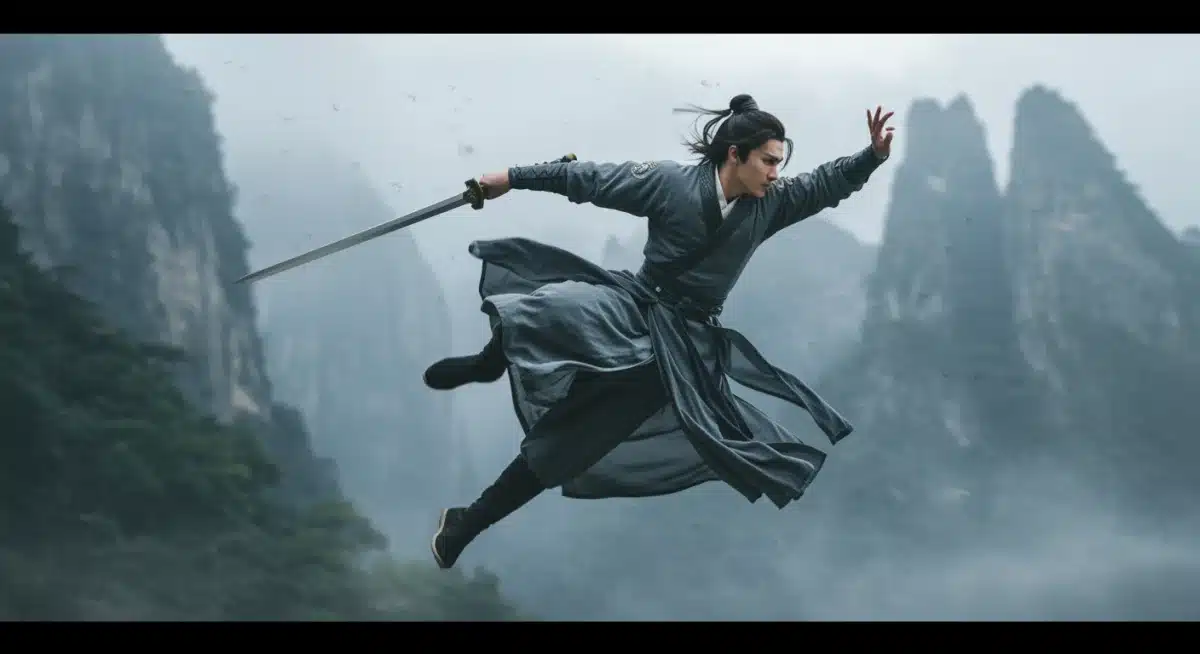
The term Wuxia literally translates to ‘martial heroes’ and refers to a genre of Chinese fiction, film, and television that features martial artists who adhere to a code of chivalry and justice. These stories are typically set in ancient China, often during periods of political instability, and focus on protagonists who possess superhuman martial arts skills (Qinggong for gravity-defying leaps, powerful internal energy Qi, etc.). Wuxia is a cornerstone of Chinese popular culture and has found a passionate following among US audiences.
Defining Elements of Wuxia:
- Martial Arts Mastery: The core of Wuxia is its elaborate and often fantastical martial arts sequences, where characters perform incredible feats of strength, agility, and combat.
- Jianghu (The Martial World): Wuxia stories are often set within the ‘Jianghu,’ a separate society of martial artists, sects, and reclusive masters who operate outside the conventional legal system, governed by their own codes and rules.
- Chivalry and Justice: Wuxia heroes (and heroines) are typically driven by a strong sense of justice, often protecting the weak, fighting corruption, and upholding moral principles, even at great personal cost.
- Epic Journeys: Protagonists frequently embark on long quests, seeking revenge, uncovering conspiracies, or mastering new techniques, encountering a diverse cast of characters along the way.
- Philosophical Underpinnings: Themes of destiny, fate, honor, loyalty, and the pursuit of self-perfection are common, often drawing from Taoist and Confucian philosophies.
Why Wuxia Captivates Western Viewers:
For US audiences, Wuxia offers a unique blend of action, adventure, and philosophical depth. The visually stunning fight choreography, often enhanced by wirework and special effects, is a major draw, appealing to fans of action films and fantasy. The concept of the ‘Jianghu’ presents an intriguing world that is both familiar (like Western outlaw stories or knightly tales) and distinctly exotic.
The emphasis on chivalry and the fight for justice resonates universally. Wuxia heroes, though possessing extraordinary abilities, often face profound moral dilemmas and personal sacrifices, making their struggles relatable. The exploration of personal growth, the search for meaning, and the complex relationships between masters and disciples, or rival sects, add layers of human drama that go beyond mere combat.
Furthermore, Wuxia often introduces viewers to elements of traditional Chinese culture, from tea ceremonies and calligraphy to ancient architecture and ethical codes, all woven seamlessly into the narrative. This cultural immersion, combined with thrilling action, makes Wuxia a highly engaging and educational experience for many.
Xianxia: Immortal Cultivation and Ethereal Romance
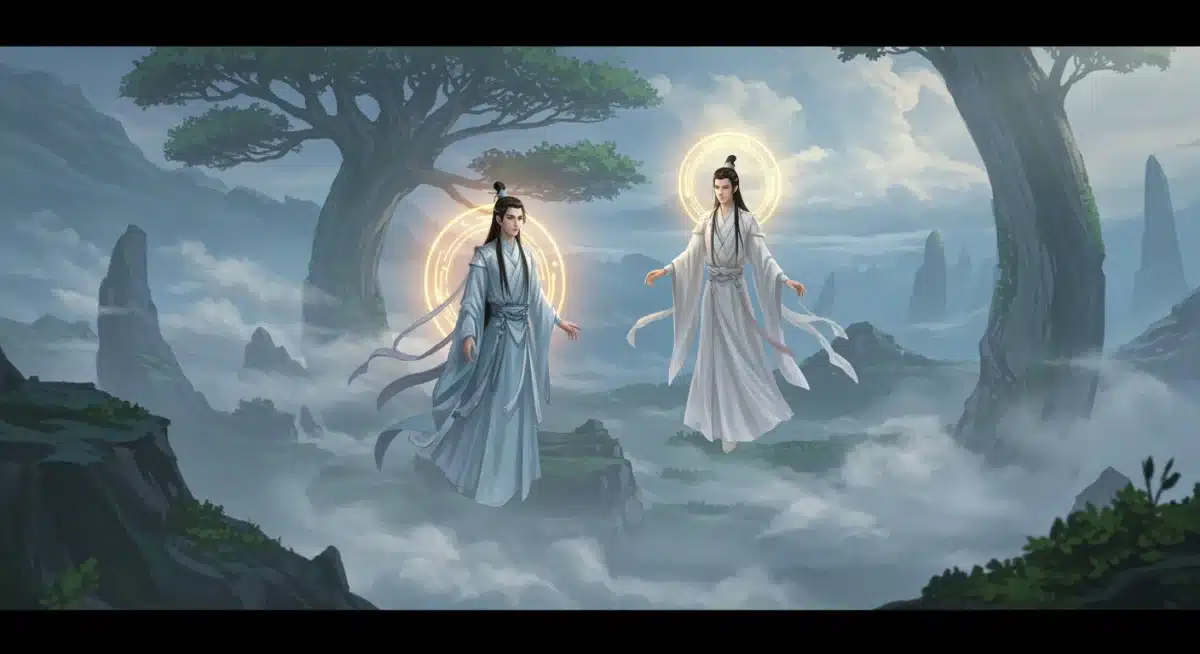
Xianxia, meaning ‘immortal heroes,’ is a fantasy subgenre that builds upon Wuxia but incorporates a much heavier dose of Chinese mythology, Taoist concepts of immortal cultivation, and spiritual realms. While Wuxia focuses on martial arts in the human world, Xianxia transcends it, featuring deities, demons, spirits, and mortals striving to achieve immortality through rigorous cultivation practices. These dramas are characterized by epic romances, grand cosmic battles, and breathtaking fantasy visuals.
Hallmarks of Xianxia Dramas:
- Immortal Cultivation (Xiu Lian): Central to Xianxia is the concept of ‘Xiu Lian,’ where characters train their bodies and minds to purify their spirits, overcome tribulations, and eventually ascend to godhood or immortality.
- Cosmic Scale: Stories often span millennia and encompass multiple realms – the mortal world, the heavens, the demon realm, and various spiritual planes – creating vast and complex universes.
- Epic Romances: Xianxia is renowned for its deeply emotional and often tragic love stories, frequently involving fated lovers, reincarnations, and relationships that defy mortal boundaries.
- Fantasy Elements: Magic, mythical creatures, powerful artifacts, and celestial beings are integral. Special effects are heavily utilized to bring these fantastical elements to life.
- Good vs. Evil: While often nuanced, there’s a strong underlying theme of balance between good and evil, light and dark, and the struggle to maintain cosmic order.
The Enchantment of Xianxia for American Viewers:
Xianxia’s explosive popularity in the US can be attributed to its unique blend of fantasy, romance, and spiritual themes. For fans of high fantasy, Xianxia offers rich world-building comparable to Western epics but with a distinct Eastern mythological flavor. The elaborate costumes, stunning visual effects, and otherworldly settings create a truly immersive and magical experience.
The romantic storylines are a major draw, often featuring soulmate connections, forbidden love, and relationships that endure through countless lifetimes and trials. The emotional intensity and the depth of character development within these romances resonate deeply with audiences who appreciate intricate love stories.
Furthermore, the concept of cultivation and spiritual ascension offers a fascinating alternative to traditional Western magic systems. It introduces viewers to Taoist philosophical ideas about self-improvement, harmony with nature, and the pursuit of enlightenment, presented in an accessible and entertaining format. The epic battles between powerful immortals and demons provide thrilling action, while the overarching themes of destiny and free will add intellectual depth.
The Intersection and Evolution of Historical C-Drama Subgenres
While these three historical C-drama subgenres have distinct characteristics, there’s often an overlap and evolution among them. For instance, some Wuxia dramas might incorporate elements of cultivation, blurring the lines towards Xianxia, especially in later stages of a character’s development. Similarly, a Palace Drama might have characters who possess some martial arts skills, or the political intrigue might be intertwined with supernatural elements, though this is less common.
The continuous innovation in storytelling and production techniques means that these genres are not static. Creators are constantly experimenting, blending elements, and pushing boundaries to keep narratives fresh and engaging. This adaptability ensures their continued relevance and appeal to a global audience. The increasing investment from streaming platforms also means higher budgets, leading to even more spectacular visuals and complex narratives, further solidifying their place in the international entertainment market.
The cultural exchange facilitated by these dramas is also profound. As US audiences engage with these series, they gain a deeper understanding and appreciation for Chinese culture, history, and philosophical thought. This exposure helps to bridge cultural gaps and fosters a more interconnected global community of viewers who share a common love for compelling storytelling.
Looking Ahead: The Future of Historical C-Dramas in the US
By 2026, the trajectory of historical C-dramas on US streaming platforms points towards continued growth and diversification. The success of the aforementioned historical C-drama subgenres has opened doors for even more niche historical narratives, potentially introducing audiences to other periods of Chinese history or different regional stories. We might see an increase in dramas focusing on specific historical figures or events, presented with the same captivating production quality.
Technological advancements will also play a role. Improved special effects will make Xianxia worlds even more breathtaking, while advancements in interactive storytelling could offer new ways for audiences to engage with these complex narratives. The integration of AI for personalized recommendations and enhanced subtitle quality will also contribute to a smoother and more enjoyable viewing experience for non-native speakers.
Furthermore, the influence of C-dramas is likely to extend beyond mere viewership, potentially inspiring Western creators and influencing global storytelling trends. The unique narrative structures, character archetypes, and thematic explorations found in these subgenres offer fresh perspectives that can enrich the broader entertainment landscape. The global creative exchange is a two-way street, and C-dramas are increasingly becoming a significant contributor to this vibrant ecosystem.
Conclusion: A Golden Age for Historical C-Drama Subgenres
The dominance of Palace Dramas, Wuxia, and Xianxia as key historical C-drama subgenres on US streaming platforms by 2026 is a clear indicator of their universal appeal and the growing appreciation for diverse global content. These genres offer rich narratives, stunning visuals, and deep cultural insights, making them much more than just entertainment. They are cultural ambassadors, inviting viewers into elaborate worlds of intrigue, martial prowess, and immortal romance.
Whether you are drawn to the political machinations of the imperial court, the heroic adventures of martial artists, or the ethereal beauty of immortal cultivation, there is a historical C-drama subgenre waiting to captivate you. As streaming services continue to expand their international offerings, the golden age of C-dramas in the West is only just beginning, promising endless hours of compelling storytelling and cultural exploration. Embrace the journey and discover your next obsession within these magnificent historical C-drama subgenres.