The 2026 Guide to Fantasy K-Dramas: 5 Essential Tropes and Their Impact on US Viewers
Korean dramas, or K-dramas, have transcended their regional origins to become a global phenomenon, captivating audiences with their compelling narratives, high production values, and charismatic actors. While various genres contribute to their widespread appeal, fantasy K-dramas, in particular, have carved out a significant niche, drawing in millions of viewers worldwide, especially in the United States. As we look towards 2026, the landscape of Fantasy K-Drama Tropes continues to evolve, yet certain essential tropes remain the bedrock of their enduring popularity. This comprehensive guide will delve into five pivotal fantasy K-drama tropes, exploring their unique characteristics, their recurring presence in popular series, and their profound impact on US viewers.
The allure of fantasy K-dramas lies in their ability to transport viewers to extraordinary realms, offering an escape from the mundane through imaginative storytelling. These dramas often weave intricate plots around supernatural abilities, historical mysteries, mythical beings, and parallel dimensions, all while maintaining a strong emphasis on character development and emotional depth. For US audiences, who are increasingly seeking diverse and innovative content, fantasy K-dramas provide a refreshing alternative to Western fantasy productions, often presenting a unique blend of romance, drama, comedy, and thrilling action, infused with distinct Korean cultural elements.
Understanding the core Fantasy K-Drama Tropes is key to appreciating their artistry and predicting future trends. These tropes are not mere clichés; rather, they are narrative devices that resonate deeply with human experiences, exploring themes of destiny, love, sacrifice, identity, and the eternal struggle between good and evil. From the poignant tales of lovers reunited across lifetimes to the exhilarating adventures of heroes discovering their latent magical powers, these tropes offer a rich tapestry of stories that continue to enchant and inspire.
In 2026, the influence of these tropes is expected to remain strong, with new productions finding innovative ways to reinterpret and revitalize them. The global accessibility of streaming platforms has further amplified their reach, making it easier than ever for US viewers to discover and immerse themselves in these fantastical worlds. This guide aims to provide both seasoned fans and newcomers with a deeper insight into the magical ingredients that make fantasy K-dramas so irresistible. Let’s embark on a journey to uncover the essential Fantasy K-Drama Tropes that define this captivating genre.
1. Reincarnation and Destined Love: A Timeless Connection
One of the most emotionally resonant and frequently explored Fantasy K-Drama Tropes is that of reincarnation and destined love. This trope posits that two souls are fated to find each other across multiple lifetimes, often overcoming immense obstacles, societal norms, and even death itself to be together. The concept of Inyeon (인연), a Korean term referring to destiny or fate, particularly in relationships, is deeply embedded within this trope, suggesting that connections are formed not just in one life, but over many.
The Appeal of Eternal Love
For US viewers, the idea of a love so powerful it transcends time and space is incredibly romantic and aspirational. It speaks to a universal desire for a soulmate connection, offering comfort and hope that true love can conquer all. Dramas employing this trope often feature intricate backstories, revealing how characters were connected in past lives, which adds layers of depth and complexity to their present-day relationships. The slow unraveling of these past connections, often through dreams, flashbacks, or forgotten memories, creates a compelling narrative arc that keeps audiences hooked.
Key Characteristics and Examples
In these dramas, characters often carry unresolved issues or promises from their past lives into their current existence. A common characteristic is one or both protagonists retaining vague memories or feelings of familiarity with the other, even upon their first meeting. Sometimes, one character might be an immortal being who has waited centuries for their fated lover to be reborn. The obstacles they face are often directly linked to past tragedies or curses, making their eventual union feel like a triumph against destiny itself.
Iconic examples include Goblin
(Guardian: The Lonely and Great God), where the titular Goblin has lived for centuries, waiting for his human bride who is fated to end his immortality. Their love story spans several reincarnations, each filled with poignant moments and heartbreaking separations. Another notable series is Legend of the Blue Sea
, which intertwines the tale of a mermaid and a human in the Joseon era with their reincarnated selves in the modern day. The narrative skillfully navigates between these timelines, showcasing how their love story is destined to repeat and resolve.
Impact on US Viewers
The reincarnation trope offers a unique blend of fantasy and profound emotional storytelling that resonates strongly with US audiences. It provides a sense of epic romance that is often grander and more intricate than what is typically seen in Western media. The exploration of themes like fate, redemption, and enduring love across different eras adds a philosophical dimension that enriches the viewing experience. Furthermore, the cultural nuances of Inyeon introduce viewers to a different perspective on relationships and destiny, broadening their understanding of global storytelling traditions. This Fantasy K-Drama Tropes element specifically taps into a universal yearning for a love that is truly meant to be, regardless of the challenges.
2. Time Travel and Parallel Universes: Altering Destinies
The concepts of time travel and parallel universes are immensely popular Fantasy K-Drama Tropes, offering boundless possibilities for intricate plots and dramatic tension. These tropes allow characters to cross temporal boundaries or dimensions, leading to often unforeseen consequences and challenging the very fabric of their realities. Whether it’s to change the past, prevent a future catastrophe, or find a lost loved one, the journey through time or into an alternate world provides a rich ground for narrative exploration.
The Fascination with What Ifs
For US viewers, the appeal of time travel and parallel universes lies in the inherent human curiosity about ‘what if.’ What if you could change a past mistake? What if there was another version of you living a completely different life? These scenarios tap into universal anxieties and desires, allowing audiences to explore complex ethical dilemmas and the butterfly effect of their choices through the characters’ experiences. The intricate plotting required for these stories often involves paradoxes, shifting timelines, and the constant threat of altering history, which creates a thrilling and intellectually stimulating viewing experience.
Key Characteristics and Examples
Dramas featuring time travel often involve a protagonist who accidentally or purposefully travels to a different era, usually the past, to influence events. They might possess a special object or ability that facilitates this travel. The challenges arise from adapting to a new time period, understanding historical context, and the moral quandary of interfering with destiny. Parallel universe stories, on the other hand, often see characters discovering a gateway to an alternate reality where familiar faces lead different lives, or where their own roles are dramatically altered. The emotional core often revolves around the struggle to return home or to reconcile with the alternate versions of themselves and their loved ones.
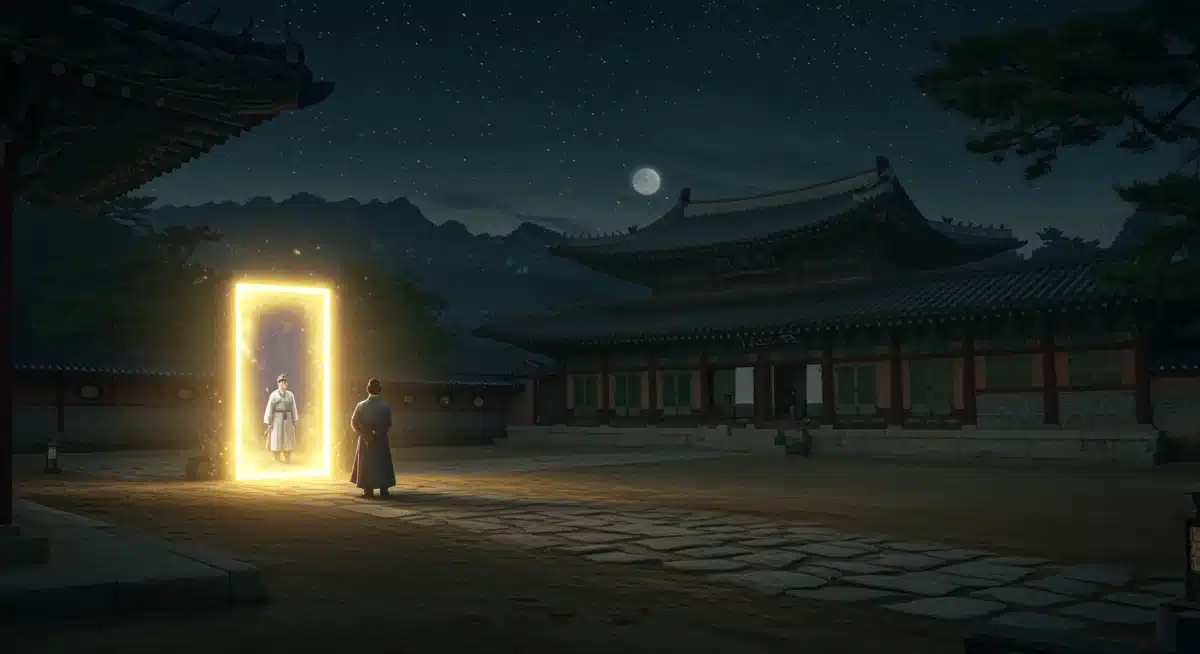
A prime example of time travel is Moon Lovers: Scarlet Heart Ryeo
, where a modern-day woman is transported back to the Goryeo Dynasty, becoming entangled in the royal family’s power struggles and falling in love with a prince. The tragic beauty of this series stems from her struggle to navigate the past while knowing the future. The King: Eternal Monarch
brilliantly explores the parallel universe trope, portraying a modern-day Korean emperor who crosses into an alternate South Korea, encountering a detective who is the doppelganger of someone crucial from his past. The intertwining of these two worlds creates a complex and emotionally charged narrative, demonstrating the profound impact of these Fantasy K-Drama Tropes on storytelling.
Impact on US Viewers
These tropes offer a high-concept narrative that appeals to US viewers accustomed to intricate sci-fi and fantasy storytelling. The blend of historical settings with futuristic concepts, or the exploration of philosophical questions about identity and destiny through parallel worlds, provides a rich viewing experience. The dramatic tension generated by characters trying to change fate or struggling to adapt to a different reality creates compelling stakes. Moreover, these dramas often feature stunning cinematography and elaborate costume designs, especially when set in historical periods, further enhancing their visual appeal and making the fantastical elements feel more immersive. The exploration of these Fantasy K-Drama Tropes allows for deep character development as individuals confront their choices across different realities.
3. Mythical Creatures and Supernatural Beings: Guardians and Adversaries
The rich tapestry of Korean folklore and mythology provides a fertile ground for one of the most enchanting Fantasy K-Drama Tropes: the inclusion of mythical creatures and supernatural beings. From ancient gods and mischievous spirits to powerful Gumiho (nine-tailed foxes) and stoic Grim Reapers, these characters add a layer of mystique, power, and often, an element of danger to the narratives. They can be benevolent guardians, formidable adversaries, or complex figures caught between their supernatural nature and human emotions.
The Allure of the Otherworldly
For US viewers, the introduction of mythical creatures from a different cultural context is inherently fascinating. While Western fantasy often features dragons, elves, and vampires, Korean mythology offers a unique pantheon of beings that are both familiar in their archetypes (e.g., immortal beings, shapeshifters) and distinct in their specific characteristics and cultural significance. This exposure to new mythological frameworks enriches the viewing experience, providing a fresh perspective on fantasy storytelling and expanding cultural horizons.
Key Characteristics and Examples
Mythical creatures in K-dramas are rarely one-dimensional. They often embody complex moralities, struggling with their powers, their immortality, or their connection to the human world. Many dramas feature a supernatural being falling in love with a human, leading to poignant explorations of mortality, sacrifice, and the challenges of bridging two different worlds. These beings often possess extraordinary abilities, such as shapeshifting, mind control, or elemental manipulation, which are integral to the plot’s conflicts and resolutions.
My Girlfriend Is a Gumiho
famously introduced the charming and naive nine-tailed fox who wishes to become human, navigating the complexities of human society and falling in love. Tale of the Nine Tailed
offered a more mature and dramatic take on the Gumiho, featuring a male Gumiho who has waited centuries for his reincarnated love. And, of course, Goblin
(mentioned earlier for reincarnation) also showcases a powerful Goblin and a Grim Reaper, both supernatural beings with intertwined destinies, providing a fascinating look into their roles within the afterlife and human world. These dramas exemplify how Fantasy K-Drama Tropes can be used to explore deep emotional themes.
Impact on US Viewers
The presence of mythical creatures and supernatural beings adds a unique flavor to fantasy K-dramas that deeply resonates with US audiences. It offers a blend of fantasy, romance, and often, compelling action sequences. The exploration of these beings’ cultural origins and their portrayal in modern narratives provides an engaging way to learn about Korean folklore. Furthermore, the humanization of these supernatural characters – their struggles with love, loss, and identity – creates a strong emotional connection with viewers, making them relatable despite their otherworldly nature. The visual effects used to bring these creatures to life are often stunning, contributing significantly to the immersive quality of these dramas. This particular one of the Fantasy K-Drama Tropes consistently delivers visual spectacle and emotional depth.
4. Magical Powers and Abilities: The Gift and the Curse
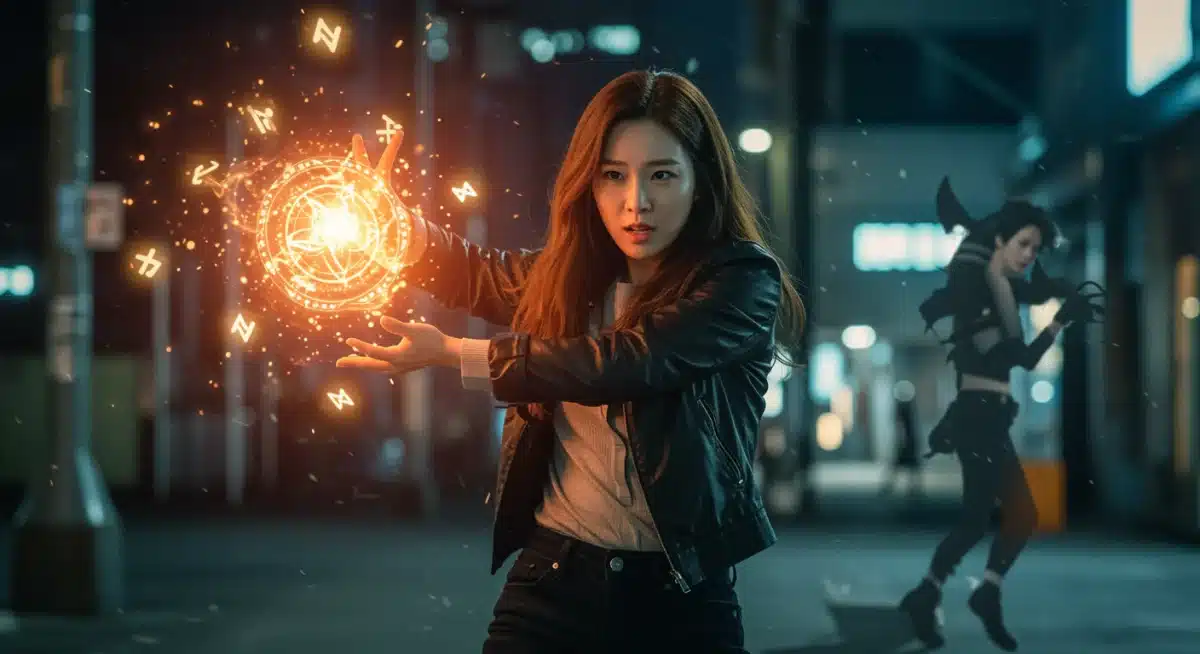
The trope of magical powers and abilities is a cornerstone of many Fantasy K-Drama Tropes, granting characters extraordinary capabilities that can be a source of both immense strength and profound burden. These powers can range from telekinesis and healing to foresight, elemental control, or even the ability to communicate with spirits. The narrative often explores the origins of these powers, the challenges of controlling them, and the ethical dilemmas that arise from their use.
The Dream of the Extraordinary
For US viewers, the appeal of magical powers is universal. It taps into the childhood fantasy of possessing special abilities and the desire to be extraordinary. K-dramas often portray these powers not just as a means to an end, but as integral to a character’s identity and journey. The internal and external conflicts arising from these abilities—whether they are inherited, bestowed, or awakened—provide rich opportunities for character development and dramatic tension. The visual spectacle of magic being wielded is also a significant draw, often accompanied by impressive special effects.
Key Characteristics and Examples
Characters with magical powers in K-dramas often find themselves in unique situations. They might be tasked with protecting others, fighting against dark forces, or struggling to live a normal life while harboring a secret. A common theme is the idea that great power comes with great responsibility, and characters often grapple with the moral implications of using their abilities. The powers can also be a curse, isolating characters or putting them in danger.
Strong Woman Do Bong Soon
is a beloved example, featuring a young woman born with superhuman strength, which she initially tries to hide but eventually uses to protect the innocent. W: Two Worlds
(while also touching on parallel universes) features a character who can manipulate the fictional world he inhabits, showcasing a unique form of meta-magical ability. A Korean Odyssey
(Hwayugi) blends traditional mythology with modern settings, where characters possess various magical powers, from immortality to exorcism, battling evil spirits. These series highlight how Fantasy K-Drama Tropes can integrate superhuman abilities into compelling narratives.
Impact on US Viewers
The magical powers trope resonates with US audiences who appreciate superhero narratives and stories of individuals overcoming adversity with unique abilities. K-dramas often add a fresh perspective by grounding these powers in emotional depth, cultural folklore, or societal critique. The challenges faced by characters with powers, such as the burden of their abilities or the struggle for acceptance, create relatable human drama despite the fantastical elements. The visually stunning depictions of magic, coupled with compelling character arcs, make these dramas highly engaging and memorable. This specific one of the Fantasy K-Drama Tropes offers both escapism and profound character journeys.
5. Alternate Worlds and Dimensions: Escaping Reality
The concept of alternate worlds and dimensions, distinct from time travel or parallel universes, is another compelling set of Fantasy K-Drama Tropes. These narratives typically involve characters being transported to an entirely different realm—a fantasy world, a mythical kingdom, or even a digital space—where the rules of reality are fundamentally altered. These worlds are often meticulously crafted, with their own unique histories, cultures, and magical systems, offering a complete immersion for both characters and viewers.
The Lure of Pure Escapism
For US viewers, the appeal of alternate worlds lies in the ultimate form of escapism. It provides an opportunity to explore completely new environments, encounter fantastical beings, and witness epic adventures detached from the constraints of the real world. These dramas often combine elements of high fantasy, adventure, and romance, creating a rich and immersive experience. The journey of a protagonist from a familiar world into an unknown one allows audiences to discover and learn alongside them, making the experience even more engaging.
Key Characteristics and Examples
In these dramas, the transition to an alternate world can be accidental, through a portal, a magical artifact, or even a dream-like state. Once in the new world, protagonists often discover hidden destinies, unlock latent powers, or become embroiled in conflicts much grander than anything they knew before. These alternate worlds frequently feature unique political structures, ancient prophecies, and a clear distinction between good and evil forces. The contrast between the protagonist’s original world and the new one often highlights themes of identity, belonging, and the definition of reality itself.
Alchemy of Souls
is a recent hit that created a richly detailed fictional world called Daeho, where mages wield powerful magic and souls can be exchanged. The intricate world-building, compelling characters, and epic scope make it a standout example. Hotel Del Luna
presents a unique alternate dimension where a mystical hotel caters to ghosts before they pass on to the afterlife, blending fantasy with poignant tales of human and spectral lives. While W: Two Worlds
is often categorized under parallel universes, its distinct fictional webtoon world also fits the ‘alternate world’ description, where characters literally step into a comic book reality. These examples demonstrate the diverse ways Fantasy K-Drama Tropes utilize distinct worlds.
Impact on US Viewers
The alternate worlds trope resonates strongly with US audiences who enjoy epic fantasy sagas and imaginative world-building. The ability of K-dramas to create vibrant, detailed fantasy realms, often inspired by Korean historical and mythological aesthetics, offers a fresh take on the genre. Viewers are drawn to the sense of adventure, the discovery of new magic systems, and the compelling character journeys as they adapt to extraordinary circumstances. The high production values, intricate plots, and often stunning visual effects make these dramas a truly immersive escape, allowing viewers to fully lose themselves in these fantastical dimensions. This specific one of the Fantasy K-Drama Tropes provides a complete imaginative journey.
The Enduring Appeal and Future of Fantasy K-Dramas in the US
The five essential Fantasy K-Drama Tropes—reincarnation and destined love, time travel and parallel universes, mythical creatures and supernatural beings, magical powers and abilities, and alternate worlds and dimensions—form the backbone of a genre that continues to enthrall US viewers. These tropes are not merely repetitive elements; rather, they are versatile narrative tools that creators continuously adapt and innovate upon, keeping the genre fresh and exciting.
Cultural Exchange and Global Storytelling
The rise of fantasy K-dramas in the US is a testament to the power of global storytelling and cultural exchange. Through these dramas, American audiences are exposed to unique Korean perspectives on fate, love, heroism, and morality, often presented with a distinct blend of humor, drama, and romance that sets them apart from Western productions. The intricate plots, strong character development, and high production quality, combined with the emotional depth inherent in these tropes, create a highly engaging viewing experience.What to Expect in 2026 and Beyond
As we move further into 2026, the landscape of fantasy K-dramas is expected to continue its dynamic evolution. We can anticipate even more sophisticated CGI and special effects, making the fantastical elements more believable and immersive. Storytellers will likely push the boundaries of these established tropes, combining them in new and unexpected ways, or introducing fresh mythological elements from Korean folklore. There will also be a continued emphasis on diverse representation and complex character arcs, reflecting evolving global sensibilities.
Furthermore, the increasing collaboration between Korean production houses and global streaming platforms will ensure that these captivating stories reach an even wider audience, cementing the status of fantasy K-dramas as a major force in international entertainment. The ability of these dramas to consistently deliver compelling narratives, stunning visuals, and emotionally resonant themes, all built upon these foundational Fantasy K-Drama Tropes, guarantees their continued success and impact on US viewers.
Conclusion: A Magical Journey Continues
In conclusion, the enchanting world of fantasy K-dramas, with its rich array of essential tropes, offers a unique and deeply satisfying viewing experience for US audiences. From the timeless romance of destined lovers across lifetimes to the thrilling adventures in alternate dimensions, these dramas provide an escape into worlds where anything is possible. As the genre continues to grow and innovate, these core Fantasy K-Drama Tropes will undoubtedly remain central to its appeal, promising many more years of magical storytelling and captivating entertainment for fans across the globe.
So, whether you’re a long-time enthusiast or a curious newcomer, dive into the mesmerizing realm of fantasy K-dramas. Discover the magic, the romance, and the adventure that awaits, and experience firsthand why these essential tropes have such a profound and lasting impact on viewers in the United States and beyond.