Dorama Licensing 2026: U.S. Content Acquisition Forecast
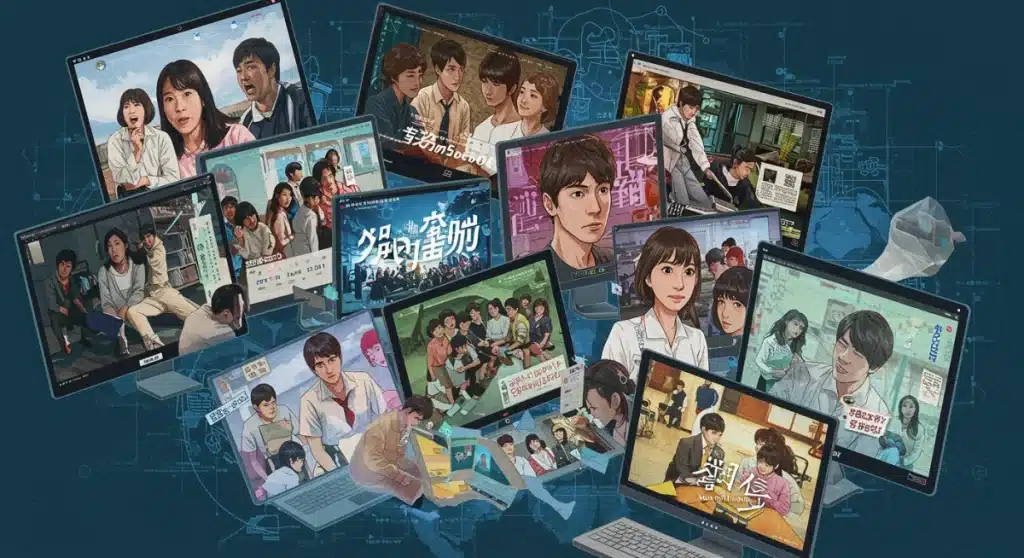
The future of dorama licensing in the U.S. for 2026 anticipates a dynamic landscape driven by increased demand, evolving acquisition strategies, and fierce competition among streaming platforms.
The landscape of Asian entertainment in the United States is undergoing a profound transformation, with doramas leading the charge in capturing American audiences. As we look towards 2026, understanding the nuances of dorama licensing 2026 and its implications for content acquisition in the U.S. market becomes paramount. What forces are shaping this dynamic industry, and how will streaming giants and niche platforms adapt to meet the burgeoning demand?
The surging demand for dorama content
The appetite for dorama content in the U.S. has grown exponentially over the past few years, moving from a niche interest to a mainstream phenomenon. This surge is driven by a combination of factors, including the global success of productions like “Squid Game” and “Parasite,” which have opened doors for diverse Asian narratives.
Audiences are increasingly seeking out compelling storytelling, high production values, and fresh perspectives often found in doramas from South Korea, Japan, China, and even Thailand. This burgeoning demand creates both immense opportunities and significant challenges for content acquirers.
cultural resonance and global appeal
- Diverse Storytelling: Doramas offer narratives that often explore universal human themes with unique cultural nuances, resonating deeply with a broad audience.
- High Production Quality: Many Asian productions boast cinematic quality, intricate plots, and talented casts, rivaling traditional Western entertainment.
- Accessibility: The proliferation of streaming services has made doramas more accessible than ever, breaking down geographical barriers.
The sustained growth in viewership suggests that doramas are not a fleeting trend but a permanent fixture in the global entertainment ecosystem. For 2026, this translates into a highly competitive environment for securing top-tier content rights.
The increasing cultural resonance of doramas extends beyond entertainment, influencing fashion, music, and even culinary trends in the U.S. This holistic cultural impact further solidifies their place in the market and fuels the demand for more licensed content.
Evolving licensing models and strategies
As the market matures, so too do the strategies for acquiring and distributing dorama content. Traditional licensing deals are giving way to more complex, multi-faceted agreements that reflect the diverse needs of platforms and content creators. Exclusive rights, co-production ventures, and output deals are becoming more common.
Streaming platforms like Netflix, Hulu, and HBO Max are actively investing in original dorama content and securing exclusive global distribution rights. This shift indicates a long-term commitment to the genre, moving beyond merely licensing existing titles.
exclusive deals and co-productions
- Increased Competition: Platforms are aggressively bidding for exclusive rights to popular and anticipated doramas, driving up licensing costs.
- Co-production Benefits: Collaborating with Asian production houses allows platforms to exert creative control, share risks, and tap into local expertise.
- Output Deals: Long-term agreements with major studios ensure a steady supply of new content, reducing reliance on one-off acquisitions.
The strategic importance of these evolving models cannot be overstated. For content providers in the U.S., understanding and adapting to these shifts will be crucial for securing a competitive edge in 2026.
The move towards co-productions also allows for greater cultural exchange and a more nuanced adaptation of stories for a global audience, potentially leading to even broader appeal and deeper market penetration.
Key players and their acquisition forecasts for 2026
The landscape of dorama acquisition in the U.S. is dominated by a few major players, alongside a growing number of specialized platforms. Each has distinct strategies and forecasts for 2026, shaping the overall market dynamics.
Netflix, with its early investment in K-dramas, continues to be a dominant force, leveraging its global reach and subscriber base. Disney+ and Apple TV+ are also making significant inroads, prioritizing high-quality, often exclusive, content to attract and retain subscribers.
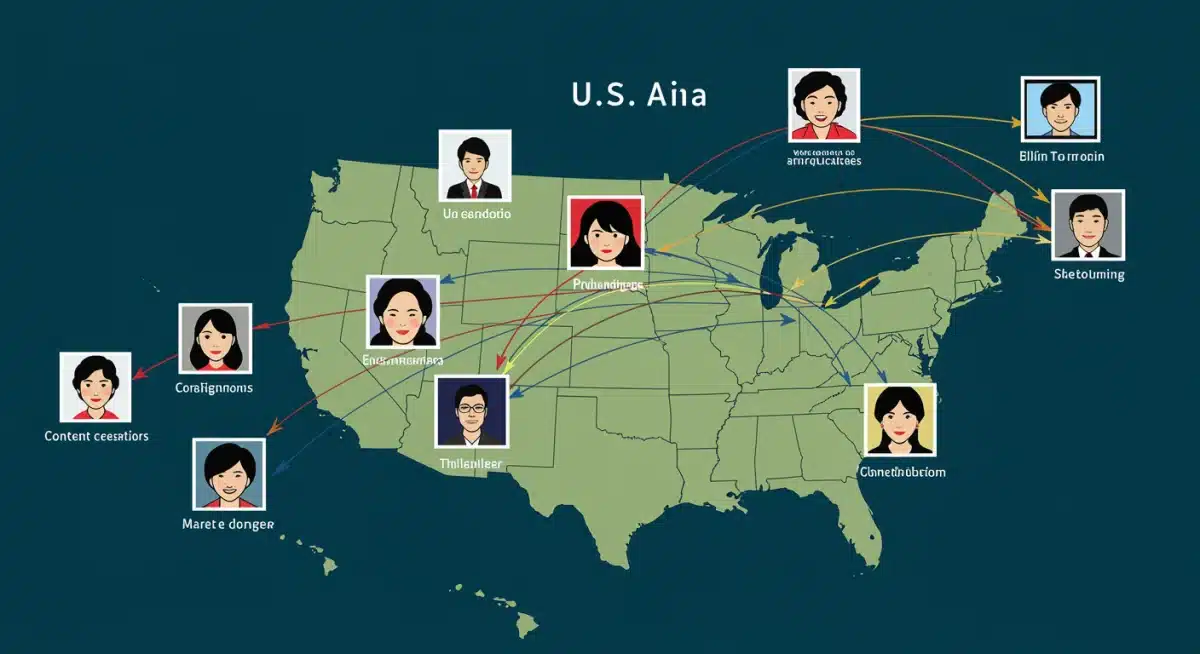

major streaming platforms’ strategies
Amazon Prime Video is expanding its international content library, including a growing selection of doramas. Hulu, often focusing on a younger demographic, is also keen on acquiring popular Asian series. Viki and Kocowa, specialized dorama streaming services, continue to thrive by offering extensive libraries and rapid subtitling, catering to dedicated fans.
For 2026, expect these players to intensify their efforts in securing first-run rights and investing in original productions. The competition will likely lead to higher licensing fees and more aggressive bidding wars for highly anticipated titles.
The continued expansion of these platforms into regional markets within the U.S. also plays a role, as they seek to cater to specific demographics and cultural communities with tailored dorama offerings.
Technological advancements impacting content delivery
Technological innovations are playing a pivotal role in the evolution of dorama licensing and consumption. Improved streaming technologies, AI-powered localization, and enhanced user interfaces are making content more accessible and enjoyable for U.S. audiences.
The rise of 5G networks and increasingly sophisticated mobile devices means viewers can access high-quality dorama content anywhere, anytime. This ubiquitous access drives demand and necessitates robust content delivery networks.
ai and localization efforts
- AI-driven Subtitling and Dubbing: Advanced AI-driven Subtitling tools are significantly speeding up and improving the quality of localization, making doramas more accessible to non-native speakers.
- Personalized Recommendations: AI algorithms are becoming more adept at recommending doramas based on individual viewing habits, enhancing user engagement.
- Interactive Viewing Experiences: Future platforms may incorporate interactive elements, allowing viewers to influence storylines or access behind-the-scenes content.
These technological advancements are not just about convenience; they are about breaking down cultural and linguistic barriers, enabling doramas to reach an even wider audience in the U.S. by 2026.
Furthermore, blockchain technology could potentially streamline rights management and royalty distribution, offering greater transparency and efficiency in the complex world of international content licensing.
Challenges and opportunities in the U.S. market
Despite the booming demand, the U.S. dorama market presents its own set of challenges. Navigating complex legal frameworks, understanding diverse audience preferences, and combating piracy remain significant hurdles for content acquirers.
However, these challenges also open doors for innovation. Platforms that can effectively address these issues while delivering high-quality, localized content will be well-positioned for success in 2026.
navigating the competitive landscape
- Cultural Nuance: Successfully translating cultural jokes and references without losing their essence is crucial for audience engagement.
- Piracy Concerns: Robust anti-piracy measures are essential to protect intellectual property and ensure fair revenue for creators.
- Audience Segmentation: Understanding the diverse tastes within the U.S. audience (e.g., K-drama fans vs. J-drama fans) allows for targeted content acquisition.
The opportunities lie in creatively overcoming these obstacles. This could involve investing further in cultural consultants, developing advanced security protocols, and conducting in-depth market research to tailor content offerings.
Additionally, partnerships with local influencers and community leaders can help bridge cultural gaps and promote dorama content more effectively to specific U.S. demographics.
The impact of global events on licensing trends
Global events, from geopolitical shifts to economic fluctuations, can significantly influence dorama licensing trends. The COVID-19 pandemic, for instance, accelerated the shift towards streaming and increased demand for home entertainment, benefiting doramas.
As we approach 2026, ongoing global events will continue to shape production capacities, distribution logistics, and consumer spending habits, all of which directly impact licensing decisions.
economic shifts and content investment
Economic stability in key Asian production hubs directly affects the volume and quality of dorama content produced. Likewise, economic conditions in the U.S. influence consumer subscription rates and advertising revenues, impacting platforms’ budgets for content acquisition.
Geopolitical tensions can also affect cross-border collaborations and the ease with which content can be licensed and distributed. Platforms must remain agile and adaptable to these external pressures.
Ultimately, a resilient and diversified licensing strategy will be key for navigating an unpredictable global environment in 2026. This includes exploring new markets and fostering strong relationships with a variety of content providers.
The rise of regional streaming services within Asia also presents new challenges and opportunities, as content creators may prioritize local distribution before seeking international licensing deals.
Future outlook: sustainability and growth
The trajectory for dorama licensing in the U.S. towards 2026 points towards continued growth, albeit with increased complexity and competition. The focus will likely shift towards sustainable growth models, emphasizing quality over quantity and fostering deeper audience engagement.
Platforms will need to balance the acquisition of popular, proven titles with strategic investments in emerging talent and innovative storytelling to maintain a fresh and appealing library.
long-term audience engagement
- Community Building: Platforms are investing in features that allow fans to connect, discuss, and share their passion for doramas, fostering loyalty.
- Merchandising and Spin-offs: Expanding beyond just streaming, opportunities in merchandise, fan events, and spin-off content can create additional revenue streams and deepen engagement.
- Data-Driven Content Curation: Utilizing advanced analytics to understand viewer preferences will guide future licensing and production decisions, ensuring content resonates with target audiences.
The long-term success of dorama licensing in the U.S. hinges on a delicate balance of aggressive acquisition, strategic partnerships, and a deep understanding of the evolving tastes of American viewers. As 2026 approaches, the industry is poised for an exciting, albeit challenging, period of expansion and innovation.
The integration of doramas into broader cultural events and festivals in the U.S. could also play a significant role in their sustained growth and mainstream acceptance, moving beyond dedicated fan bases.
| Key Aspect | 2026 Forecast |
|---|---|
| Demand Growth | Continued exponential rise in U.S. viewership for diverse dorama content. |
| Licensing Models | Shift towards exclusive deals, co-productions, and output agreements. |
| Key Players | Intensified competition among major streamers and niche platforms. |
| Tech Impact | AI-driven localization and personalized recommendations enhance accessibility. |
Frequently asked questions about dorama licensing in 2026
The surging demand for doramas in the U.S. is fueled by their diverse storytelling, high production values, and increasing accessibility through streaming platforms. Global hits like “Squid Game” have significantly broadened appeal, introducing new audiences to the rich narratives and cultural depth offered by Asian entertainment.
Licensing models are evolving beyond traditional agreements to include more exclusive rights deals, co-production ventures, and comprehensive output deals. Streaming giants are investing heavily in original dorama content and securing global distribution rights, indicating a long-term commitment to the genre and a more integrated approach to content creation.
By 2026, major platforms like Netflix, Disney+, Apple TV+, Amazon Prime Video, and Hulu are expected to heavily compete for dorama content. Specialized services such as Viki and Kocowa will also continue to play a crucial role, catering to dedicated dorama fan bases with extensive libraries and quick subtitling.
Technological advancements such as AI-powered localization (subtitling and dubbing), personalized recommendation algorithms, and improved streaming infrastructure (e.g., 5G) will significantly enhance dorama content delivery. These innovations aim to break down linguistic and cultural barriers, making doramas more accessible and enjoyable for a wider U.S. audience.
Challenges include navigating complex legal frameworks, understanding diverse audience preferences, and combating piracy. Opportunities lie in innovative solutions to these issues, such as investing in cultural consultants, developing advanced security protocols, and leveraging data-driven market research to tailor content offerings and deepen audience engagement.
Conclusion
The future of dorama licensing in the U.S. market for 2026 is poised for dynamic growth and increased sophistication. The confluence of surging audience demand, evolving acquisition strategies, technological advancements, and heightened competition among streaming platforms will define this era. Content providers and platforms that adapt quickly to these shifts, prioritize high-quality localization, and engage deeply with their audience will undoubtedly thrive. The journey of doramas from niche interest to mainstream powerhouse in the U.S. continues, promising an exciting and diverse entertainment landscape for years to come.