AI-Driven Subtitling Revolutionizes US Dorama Releases by 2026
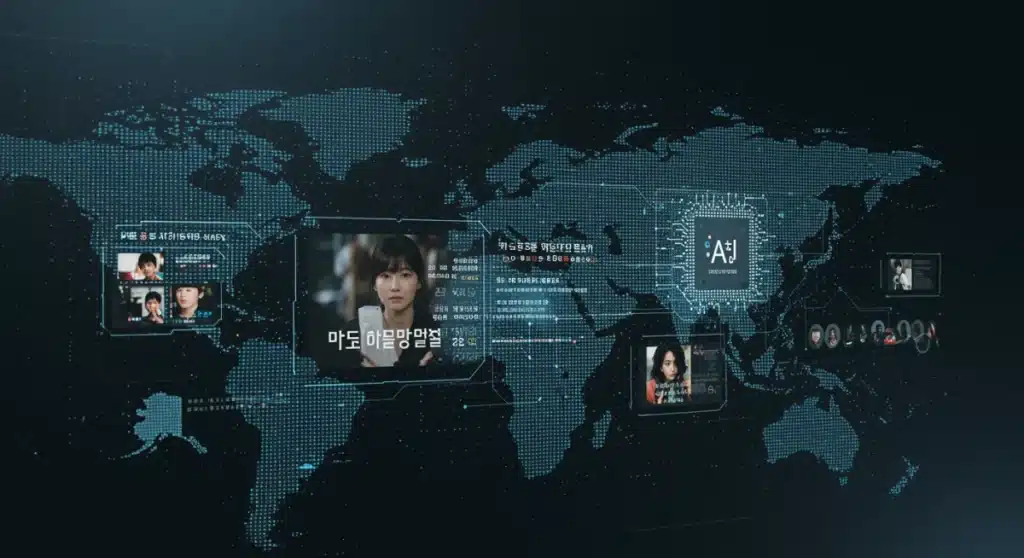
AI-driven subtitling is poised to revolutionize dorama releases in the U.S. by 2026, promising significant cost reductions and increased efficiency, thereby broadening access for American audiences.
The landscape of entertainment is constantly evolving, and nowhere is this more evident than in the burgeoning popularity of doramas in the U.S. A silent, yet powerful, revolution is underway: AI dorama subtitling. This technological integration is not merely an incremental improvement; it’s a transformative force that promises to reshape how these beloved series reach American audiences, projecting substantial cost reductions by 2026.
The Rise of Doramas and the Subtitling Challenge
The appeal of doramas, encompassing Korean, Japanese, Chinese, and other Asian dramas, has surged dramatically in the United States. Platforms like Netflix, Viki, and Kocowa have played a pivotal role in this expansion, introducing millions to compelling narratives, rich cultural insights, and diverse acting talents. However, this growth has also amplified a critical bottleneck: effective and timely localization through subtitling.
Traditionally, subtitling has been a labor-intensive, time-consuming, and costly process. It involves skilled linguists, translators, editors, and quality control specialists, all working to ensure linguistic accuracy, cultural nuance, and precise timing. The sheer volume of new dorama content being produced globally, coupled with the demand for rapid U.S. releases, has created immense pressure on traditional subtitling pipelines. This pressure often translates into higher expenses and delayed availability, frustrating eager fans and limiting market penetration.
Traditional Subtitling: A Detailed Look
Before AI entered the scene, the workflow for subtitling was a multi-stage process requiring significant human intervention at every step. This meticulous approach, while ensuring quality, was inherently slow and expensive.
- Transcription: Accurate conversion of spoken dialogue into text.
- Translation: Linguistic experts translating the script, maintaining context.
- Spotting/Timing: Synchronizing translated text with on-screen dialogue.
- Quality Control: Multiple rounds of review for accuracy and readability.
The financial implications of this traditional model are substantial. Each hour of content can incur significant costs, ranging from hundreds to thousands of dollars, depending on language pairs, complexity, and urgency. For a full dorama series, these costs quickly accumulate, impacting profitability and release schedules. The need for a more efficient, yet equally effective, solution became apparent as the dorama market continued its upward trajectory in the U.S.
AI’s Entrance: A Game-Changer for Localization
Artificial intelligence, particularly in the fields of natural language processing (NLP) and machine learning, has emerged as a revolutionary force in overcoming these traditional subtitling hurdles. AI-driven solutions are not just about automating tasks; they are fundamentally rethinking the entire localization process, from initial transcription to final quality checks. These systems leverage vast datasets of linguistic information to learn, adapt, and perform tasks that once required extensive human effort.
The integration of AI begins with advanced speech-to-text algorithms that can transcribe spoken dialogue with remarkable accuracy, even in languages with complex phonetics and diverse dialects. This initial step alone can drastically cut down the time and cost associated with manual transcription. Following transcription, AI-powered machine translation (MT) engines take over, capable of translating entire scripts in a fraction of the time it would take a human translator. While human oversight remains crucial for nuance and cultural context, AI provides a robust first pass, significantly accelerating the translation phase.
Furthermore, AI tools are also being developed to assist with spotting and timing, automatically synchronizing translated subtitles with the corresponding audio and video. This precision ensures that subtitles appear and disappear at the right moments, enhancing the viewer’s experience. The promise of AI in this domain is not just about speed; it’s about creating a scalable, cost-effective, and increasingly accurate subtitling pipeline that can keep pace with the insatiable demand for dorama content in the U.S.
Projected Cost Reductions by 2026: The 20% Benchmark
The most compelling aspect of AI-driven subtitling for dorama releases in the U.S. is the substantial financial benefit it offers. Industry experts and analysts project that by 2026, the integration of these advanced technologies could lead to an average cost reduction of at least 20% in subtitling expenses. This is not a speculative figure but a calculated estimate based on current advancements and the rapid development cycle of AI technologies.
This 20% reduction stems from several factors. Firstly, the automation of transcription and initial translation significantly reduces labor costs. While human editors will still be necessary for post-editing and quality assurance, their role shifts from primary translation to refinement and oversight, making the process more efficient. Secondly, the speed of AI allows for faster turnaround times, reducing the need for costly expedited services that are often required to meet tight release schedules.
Key Areas of Cost Savings
Understanding where these savings come from is crucial for stakeholders looking to adopt AI solutions. The impact is felt across various stages of the subtitling workflow, optimizing resource allocation and minimizing expenditures.
- Reduced Labor Hours: Automation of repetitive tasks frees up human resources.
- Faster Turnaround: Decreased time to market, lowering rush fees and opportunity costs.
- Scalability: AI systems can handle larger volumes of content without proportional cost increases.
- Improved Consistency: AI helps maintain stylistic and terminological consistency across series, reducing revision cycles.
These cost savings are not just theoretical; they are already being realized by early adopters in various content localization sectors. As AI models become more sophisticated and specialized for dorama content, the efficiency gains will only grow, solidifying the 20% reduction as a conservative estimate rather than an optimistic one. This financial advantage will enable more doramas to be localized and released in the U.S., broadening access and enriching the viewing experience for a larger audience.
Enhancing Accuracy and Cultural Nuance with Human-AI Collaboration
While AI excels at speed and efficiency, the concern about maintaining accuracy and cultural nuance in subtitling is legitimate. Doramas, with their intricate narratives, subtle emotional expressions, and deep cultural references, require more than just literal translation. Here, the synergy between human expertise and AI capabilities becomes paramount, forging a powerful collaborative model.
AI-driven systems are continuously improving their ability to understand context and generate more natural-sounding translations. However, they are still limited in grasping the full spectrum of human emotion, idiomatic expressions, and deeply embedded cultural nuances that are often critical to dorama storytelling. This is where human post-editors and cultural consultants step in. Their role is to review AI-generated subtitles, refine them for linguistic perfection, ensure cultural appropriateness, and infuse them with the artistry that makes a dorama truly resonate with its audience.
The Iterative Improvement of AI Models
AI models are not static; they learn and improve over time, especially with human feedback. Each correction and refinement made by a human editor serves as valuable data, training the AI to perform better in future iterations. This continuous learning loop means that the quality of AI-generated subtitles will steadily increase, reducing the amount of post-editing required and further enhancing efficiency.
This collaborative model ensures that the benefits of AI in terms of speed and cost reduction are harnessed without sacrificing the high quality and cultural sensitivity that dorama fans expect. The goal is not to replace human translators entirely but to augment their capabilities, allowing them to focus on the more complex, creative, and culturally sensitive aspects of localization. This partnership ensures that American audiences receive not just translated words, but the true essence and heart of each dorama.
Technological Innovations Driving the Revolution
The rapid advancements in several key technological areas are the bedrock of this subtitling revolution. These innovations are making AI-driven solutions not just feasible, but increasingly sophisticated and indispensable for the entertainment industry.
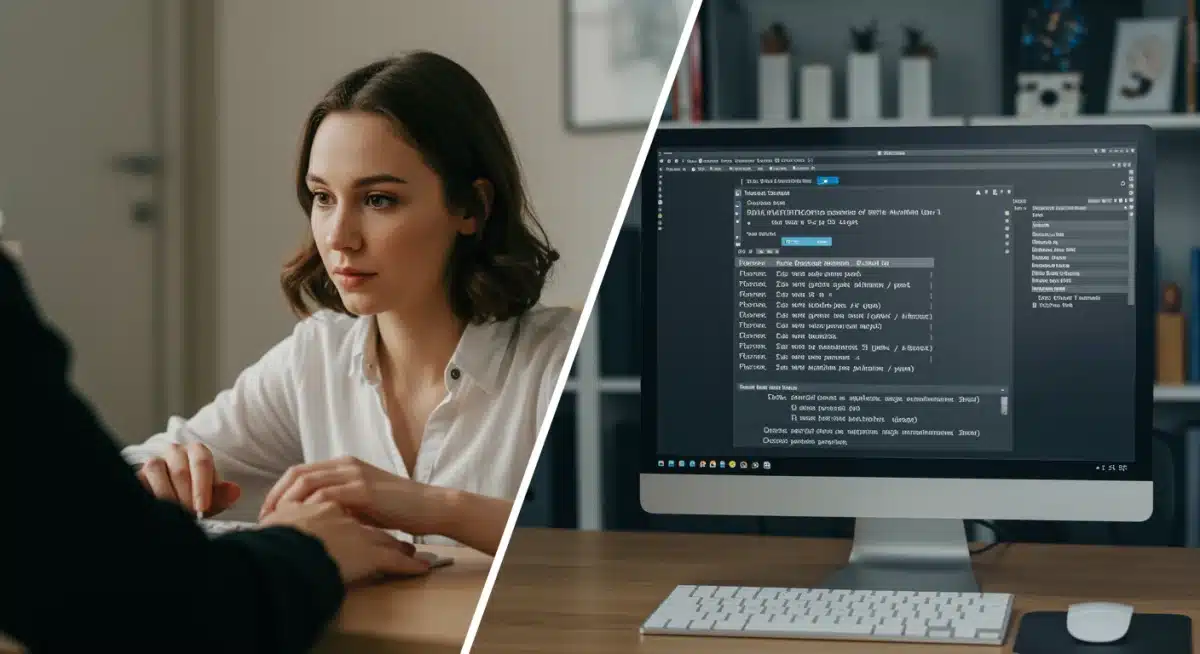
At the forefront are advancements in neural machine translation (NMT), which have significantly surpassed older rule-based and statistical machine translation methods. NMT models can process entire sentences and even paragraphs, generating translations that are far more fluent and contextually aware. Coupled with this are improved speech recognition technologies that can accurately transcribe dialogue even in challenging audio environments, handling different accents, speaking speeds, and background noise.
Key Technologies at Play
The convergence of these technologies creates a powerful ecosystem for automated subtitling, pushing the boundaries of what’s possible in localization.
- Neural Machine Translation (NMT): For highly fluent and contextually accurate translations.
- Advanced Speech Recognition (ASR): Converting spoken dialogue to text with high precision.
- Natural Language Processing (NLP): Understanding and generating human language, including idiom detection.
- Machine Learning (ML) & Deep Learning: Training AI models on vast datasets for continuous improvement.
Beyond translation and transcription, AI is also being applied to tasks like speaker identification, emotion detection, and even automatic subtitle formatting to meet platform-specific requirements. These integrated AI tools streamline the entire process, reducing manual labor at multiple points and ensuring a more consistent output. The continuous evolution of these technologies means that the capabilities of AI-driven subtitling will only expand, further cementing its role in bringing doramas to the U.S. market efficiently and effectively.
Challenges and the Path Forward for AI Subtitling
Despite the immense potential and ongoing advancements, the path for AI-driven subtitling is not without its challenges. The complexity of human language, especially in culturally rich content like doramas, presents unique hurdles that AI systems are still working to fully overcome. Addressing these challenges is crucial for the widespread adoption and continued improvement of these technologies.
One significant challenge lies in handling highly nuanced cultural references, puns, and specific regional dialects that may lose their meaning or impact when translated literally. While AI is improving, it still struggles with the subtle art of transcreation – adapting content to resonate culturally with a new audience rather than just translating words. Another concern is the potential for bias in training data, which could inadvertently lead to inaccurate or insensitive translations if not carefully managed.
Overcoming Obstacles for Broader Adoption
To fully realize the promise of AI-driven subtitling, the industry must focus on continuous development and strategic implementation.
- Data Quality: Ensuring diverse and high-quality training data to minimize bias.
- Human Oversight: Maintaining a robust post-editing and quality assurance pipeline.
- Contextual Understanding: Developing AI that better grasps subtle cultural and emotional contexts.
- Standardization: Creating industry-wide standards for AI-assisted subtitling workflows.
The solution often lies in a hybrid approach, where AI handles the heavy lifting of initial processing, and human experts provide the critical layer of cultural sensitivity and linguistic artistry. Investing in research and development to refine AI’s understanding of context and nuance will be vital. Furthermore, establishing best practices and ethical guidelines for AI in localization will build trust and ensure that the technology serves to enhance, rather than detract from, the viewer’s experience. By proactively addressing these challenges, the industry can ensure that AI-driven subtitling continues its revolutionary trajectory, delivering doramas to U.S. audiences with unparalleled efficiency and quality.
The Future Landscape: Greater Accessibility and Market Growth
Looking ahead to 2026 and beyond, the full integration of AI-driven subtitling promises to profoundly reshape the dorama landscape in the U.S. The projected 20% cost reduction is more than just a financial saving; it’s a catalyst for expanded accessibility, faster releases, and ultimately, significant market growth. This technological shift will allow content providers to localize a far greater volume of doramas, introducing American viewers to an even wider array of stories and cultures.
With lower subtitling costs, platforms can afford to license and translate more niche or older dorama titles that might have previously been deemed too expensive to localize. This means a richer, more diverse catalog for fans, catering to a broader range of tastes and preferences. Moreover, the speed of AI translation will enable near-simultaneous releases of doramas in the U.S. alongside their original broadcast in Asia, dramatically reducing the waiting period that often fuels piracy and diminishes hype.
This increased accessibility and rapid availability will undoubtedly lead to a larger and more engaged U.S. dorama fan base. As more people discover the captivating world of Asian entertainment, the market for ancillary products, fan events, and future content will also expand. AI-driven subtitling isn’t just a tool for efficiency; it’s a strategic enabler for cultural exchange and global entertainment connectivity, ensuring that the vibrant narratives of doramas can reach every corner of the American audience.
| Key Point | Brief Description |
|---|---|
| Cost Reduction | AI-driven subtitling is projected to cut costs by 20% by 2026 for U.S. dorama releases. |
| Increased Efficiency | Automation of transcription and initial translation significantly speeds up the localization process. |
| Human-AI Collaboration | Human experts provide vital cultural nuance and quality control for AI-generated subtitles. |
| Market Expansion | Greater accessibility and faster releases will lead to a larger U.S. dorama audience. |
Frequently Asked Questions About AI Dorama Subtitling
AI reduces costs by automating labor-intensive tasks like transcription and initial translation. This shifts human roles towards refinement and quality control, making the overall process faster and less expensive, eliminating the need for costly expedited services.
No, AI is not expected to completely replace human subtitlers. Instead, it augments their capabilities. Human experts remain crucial for cultural nuance, emotional context, and final quality assurance, ensuring high-quality, culturally sensitive translations.
U.S. dorama fans will benefit from faster releases, often near-simultaneous with original broadcasts, and access to a wider variety of titles, including niche content. This enhanced accessibility enriches their viewing experience and expands their entertainment options.
AI-generated subtitles are becoming increasingly accurate, thanks to advancements in neural machine translation and continuous learning from human feedback. While a strong first pass, human post-editing ensures linguistic perfection and cultural appropriateness for doramas.
The revolution is driven by advancements in neural machine translation (NMT), advanced speech recognition (ASR), natural language processing (NLP), and machine learning. These technologies work together to automate and optimize various stages of the subtitling workflow.
Conclusion
The integration of AI-driven subtitling into the dorama release pipeline for the U.S. market represents a pivotal moment for the entertainment industry. By 2026, the projected 20% reduction in costs will not only streamline operations for content providers but also unlock unprecedented opportunities for growth and accessibility. This technological shift will enable a broader spectrum of doramas to reach American audiences with greater speed and efficiency, fostering a more vibrant and inclusive global entertainment landscape. The future of dorama consumption in the U.S. is undoubtedly brighter, more diverse, and more immediate, thanks to the transformative power of artificial intelligence.