Supernatural Asian Dramas 2026: Mythologies & US Audiences
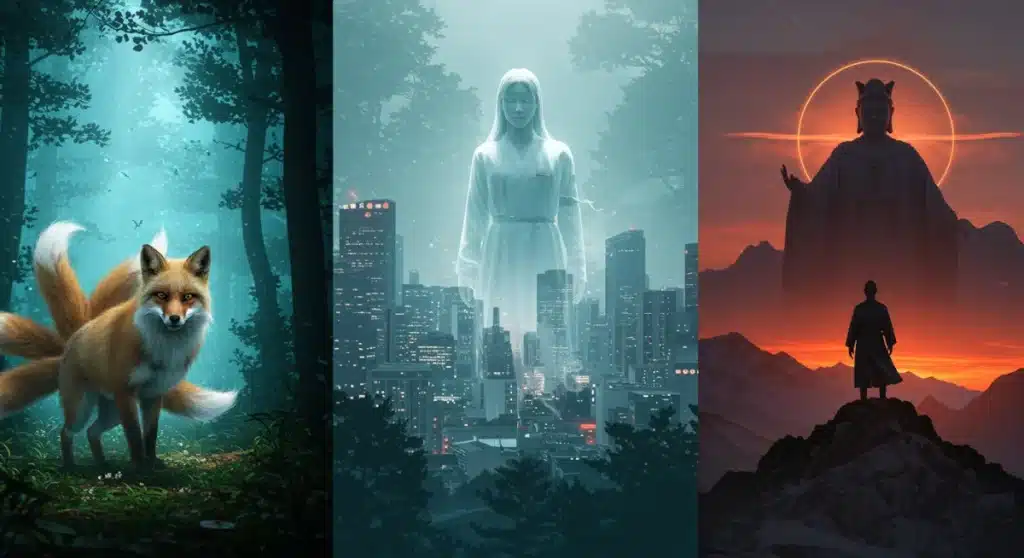
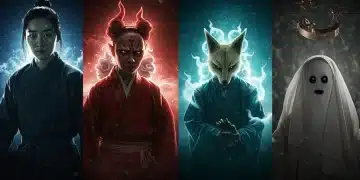
Supernatural Asian dramas, a burgeoning genre in 2026, skillfully blend ancient mythologies and folklore, offering US audiences a rich tapestry of cultural narratives featuring creatures like Gumiho, compelling ghost stories, and powerful deities.
Exploring the Supernatural in Asian Dramas: A 2026 Genre Breakdown of 3 Popular Mythologies for US Audiences delves into a fascinating trend revolutionizing global entertainment. As we navigate 2026, the allure of the unknown, the mystical, and the deeply cultural aspects embedded in Asian folklore continues to draw in viewers from the United States, creating a vibrant cross-cultural exchange through compelling storytelling.
The Enduring Appeal of Supernatural Narratives in Asian Dramas
The global phenomenon of Asian dramas has surged, and within this wave, supernatural narratives have carved out a significant niche. These stories often transcend mere entertainment, offering profound insights into cultural values, philosophical concepts, and the human condition through a fantastical lens. The appeal lies in their ability to combine intricate plotlines with stunning visual effects and deep emotional resonance, making the supernatural feel both extraordinary and relatable.
For US audiences, the fascination stems from a blend of novelty and universal themes. While Western media has its own rich history of supernatural tales, Asian dramas introduce creatures and concepts that are often fresh and intriguing. This cultural distinctiveness, coupled with high production values and compelling character development, creates an irresistible viewing experience. The genre’s ability to seamlessly integrate romance, comedy, action, and horror ensures broad appeal, catering to diverse tastes while maintaining a core fantastical element.
Furthermore, these dramas frequently explore complex moral dilemmas and the consequences of supernatural powers, adding layers of depth beyond simple good-versus-evil narratives. Characters, whether human or mythical, are often caught in intricate webs of fate, destiny, and personal choice, which resonates with viewers seeking more than superficial storytelling. The unique blend of the familiar and the exotic makes supernatural Asian dramas a compelling choice for an increasingly globalized audience.
Gumiho: The Shape-Shifting Fox Spirit’s Allure
Among the myriad of mythical beings, the Gumiho, or nine-tailed fox, stands out as one of the most captivating figures in supernatural Asian dramas. Originating from East Asian folklore, particularly prominent in Korean mythology, the Gumiho is a fox that gains the ability to transform into a human, often a beautiful woman, after living for a thousand years. Their stories typically involve seduction, trickery, and a quest for humanity, often at a great cost.
In 2026, dramas featuring Gumihos continue to dominate streaming charts, evolving from traditional cautionary tales to complex explorations of identity, love, and sacrifice. Modern interpretations often portray Gumihos not just as malevolent spirits but as beings struggling with their dual nature, yearning for acceptance, or seeking true love. This nuanced portrayal adds significant depth, making them incredibly compelling characters for contemporary audiences.
Modern Gumiho Archetypes
- The Tragic Romantic: A Gumiho who falls deeply in love with a human, often facing insurmountable obstacles due to their supernatural nature.
- The Seeking Redemption: A Gumiho striving to become fully human, often by performing good deeds or consuming human livers (a classic Gumiho trait, sometimes softened in modern dramas).
- The Powerful Protector: A Gumiho who uses their abilities to safeguard loved ones or fight against greater evils.
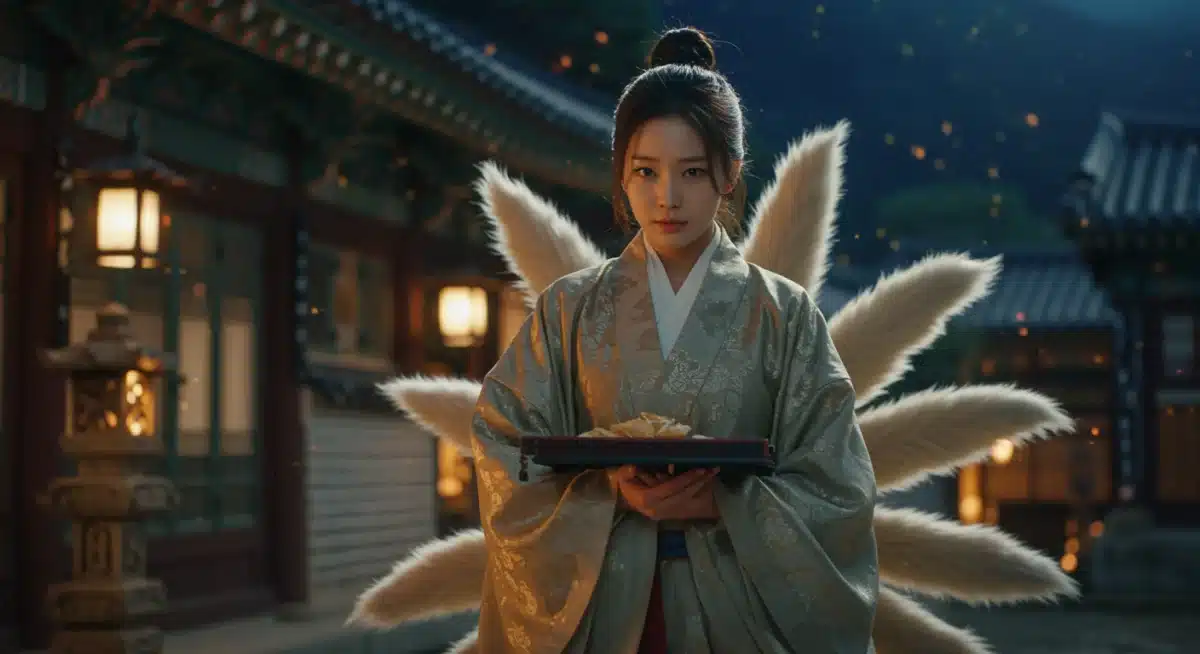
The visual representation of Gumihos in these dramas is also a major draw. From their ethereal beauty in human form to the stunning visual effects depicting their fox transformations and magical powers, these elements are crucial to their widespread appeal. The intricate costumes and mystical settings further immerse viewers in their fantastical world, making each Gumiho drama a unique visual feast.
Ghosts and Spirits: Ethereal Tales of Love and Vengeance
Ghost stories are a universal phenomenon, but Asian dramas often present them with a distinct cultural flavor, blending elements of horror, romance, and poignant drama. In 2026, the depiction of ghosts and spirits in Asian dramas continues to evolve, moving beyond simple jump scares to explore complex narratives of unfinished business, lingering emotions, and the boundaries between life and death. These stories frequently delve into themes of justice, forgiveness, and the enduring power of human connection, even beyond the grave.
For US viewers, the appeal lies in the emotional depth and cultural nuances. Unlike many Western ghost stories that focus solely on terror, Asian ghost dramas often humanize their spectral characters, portraying them as individuals with unresolved issues or profound desires. This approach allows for a broader range of storytelling, including heartwarming romances between humans and ghosts, or compelling mysteries where a ghost seeks help to uncover the truth of their death.
Common Ghost Narrative Tropes
- The Unfinished Business: Ghosts who cannot move on until a specific task is completed, often involving revenge or reconciliation.
- The Possessive Spirit: Ghosts who attach themselves to living individuals, sometimes for protection, sometimes for more sinister reasons.
- The Ghostly Romance: A human and a ghost developing a deep, often tragic, romantic relationship.
These dramas skillfully use atmosphere and psychological tension rather than relying solely on gore, creating a truly chilling yet often beautiful experience. The portrayal of the afterlife, ancestral reverence, and the concept of karma are deeply rooted in Asian cultural beliefs, offering US audiences a fascinating glimpse into different perspectives on mortality and spirituality. The blend of the supernatural with very human emotions makes these ghost stories particularly resonant.
Deities and Immortals: Grand Sagas of Power and Destiny
The realm of deities and immortals provides a canvas for some of the most epic and visually spectacular supernatural Asian dramas. These narratives, often drawing from ancient myths and religious texts, feature powerful beings with extraordinary abilities, immortal lifespans, and direct influence over the mortal world. In 2026, these dramas captivate audiences with their grand scale, intricate world-building, and profound explorations of destiny, power, and the ethical dilemmas that come with immortality.
Chinese historical fantasy dramas, known as Xianxia and Wuxia, are particularly rich in this genre, showcasing celestial kingdoms, cultivation practices, and battles between gods and demons. Korean dramas also feature their share of powerful deities and mythological figures, often integrating them into contemporary settings. The appeal for US audiences is multi-faceted: the sheer spectacle of divine powers, the sweeping romantic sagas that span centuries, and the philosophical inquiries into the nature of existence and morality.
Key Elements in Deity Dramas
- Cosmic Conflicts: Battles between celestial beings, demons, and human heroes that determine the fate of worlds.
- Immortal Romances: Love stories between deities or immortals and mortals, often fraught with trials, reincarnation, and separation.
- Cultivation and Ascension: Mortals striving to achieve immortality or godhood through rigorous spiritual and physical training.
These dramas offer a unique blend of fantasy and philosophy, exploring themes of sacrifice, redemption, and the cyclical nature of life and death through the eyes of beings who have witnessed millennia. The meticulous attention to detail in costume design, set construction, and visual effects brings these mythical worlds to life, allowing viewers to immerse themselves fully in the grandeur of ancient legends. The complex power dynamics and moral ambiguities faced by these divine characters provide rich storytelling opportunities that resonate deeply.
Cultural Impact and US Audience Reception
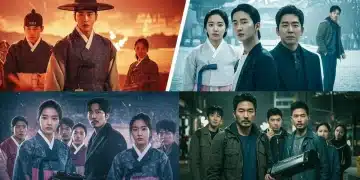
The growing popularity of supernatural Asian dramas in the US is not merely a passing trend; it signifies a deeper cultural shift. These dramas serve as cultural ambassadors, introducing American viewers to rich mythologies, diverse storytelling traditions, and nuanced perspectives on universal themes. Platforms like Netflix, Viki, and Hulu have played a crucial role in making these shows accessible, fostering a community of dedicated fans.
The reception in the US highlights a craving for narratives that break away from conventional Western tropes. Supernatural Asian dramas offer a refreshing alternative, characterized by their unique blend of genres, focus on character development, and often, more intricate and less predictable plot structures. This exposure also encourages viewers to explore the cultural contexts behind these stories, leading to a greater appreciation for Asian history and folklore.
Fan communities thrive online, dissecting plot twists, praising performances, and sharing theories, demonstrating the deep engagement these dramas inspire. This interaction further amplifies their reach and influence, turning individual shows into global talking points. The ability of these dramas to translate complex cultural concepts into universally understandable narratives is a testament to their storytelling prowess and their significant impact on the global entertainment landscape.
The Future of Supernatural Asian Dramas in 2026 and Beyond
Looking ahead to 2026 and beyond, the trajectory for supernatural Asian dramas appears exceptionally bright. The genre continues to innovate, pushing boundaries in storytelling, special effects, and thematic depth. We can anticipate even more sophisticated narratives that blend traditional folklore with modern sensibilities, exploring new mythical creatures and reinterpreting classic legends for a contemporary global audience. The increasing investment in production quality and the rise of international co-productions will further elevate the genre’s appeal and reach.
Technological advancements in CGI and virtual production are enabling creators to bring fantastical worlds to life with unprecedented realism and creativity, making the supernatural elements more believable and immersive than ever before. This visual evolution, combined with compelling scripts that resonate emotionally, will solidify the genre’s place as a powerhouse in global entertainment. Expect to see more cross-cultural adaptations and collaborations, further blurring the lines between regional and international storytelling.
Moreover, as US audiences become more familiar with various Asian mythologies, there will likely be a demand for even more diverse and niche supernatural narratives. This could lead to a broader exploration of lesser-known folklore and a deeper dive into specific cultural interpretations of the supernatural. The future promises a rich tapestry of magical realism, epic fantasy, and poignant ghost stories, ensuring that the allure of supernatural Asian dramas remains a powerful force in the entertainment world.
| Key Mythology | Brief Description & Appeal |
|---|---|
| Gumiho (Nine-Tailed Fox) | Shape-shifting fox spirits, often seeking humanity or love, captivating with complex morality and stunning visuals. |
| Ghosts & Spirits | Ethereal beings with unfinished business, exploring themes of justice, love, and the afterlife with emotional depth. |
| Deities & Immortals | Powerful beings from celestial realms, featuring epic sagas of destiny, power, and grand romantic tales. |
Frequently Asked Questions About Supernatural Asian Dramas
Their popularity stems from unique cultural mythologies, intricate storylines, high production values, and a blend of genres not commonly found in Western supernatural content. They offer fresh perspectives on universal themes like love, destiny, and morality, often with stunning visual effects.
While many Gumiho dramas feature strong romantic elements, they also explore themes of identity, redemption, family, and the struggle between human and animalistic instincts. Some focus on their quest for humanity, while others delve into their role as protectors or tricksters.
Asian ghost stories often focus less on jump scares and more on emotional depth, unfinished business, and the relationships between the living and the dead. They frequently incorporate cultural concepts like ancestral reverence, karma, and the pursuit of justice or reconciliation.
China is particularly renowned for its Xianxia (immortal heroes) and Wuxia (martial heroes) dramas, which heavily feature deities, immortals, and cultivation. South Korea also produces dramas with mythological figures and powerful beings, often blending them into modern settings.
Popular streaming platforms like Netflix, Viki, and Hulu offer extensive libraries of supernatural Asian dramas. Many also feature subtitles in English and other languages, making them highly accessible to a broad US audience.
Conclusion
The journey through supernatural Asian dramas reveals a rich tapestry of storytelling that continues to evolve and captivate. In 2026, the fascination with mythologies like the Gumiho, the poignant tales of ghosts and spirits, and the epic sagas of deities and immortals remains stronger than ever. These narratives not only entertain but also offer a unique window into diverse cultural beliefs and human experiences, forging a powerful connection with US audiences. As the genre continues to push creative boundaries, its future promises even more enchanting and thought-provoking explorations of the mystical and the magical.