J-Drama Rom-Coms 2026: American Audience Deep Dive

Navigating the world of J-Drama Rom-Coms in 2026 reveals a dynamic genre rapidly adapting to global tastes, offering American audiences a rich tapestry of narratives that blend humor, romance, and insightful cultural perspectives.
Navigating the World of J-Drama Rom-Coms: A 2026 Genre Deep Dive for American Audiences is more than just exploring entertainment; it’s an immersion into a vibrant cultural phenomenon that continues to capture hearts globally. As we move into 2026, the landscape of Japanese romantic comedies has evolved, presenting a fascinating blend of traditional charm and contemporary themes tailored to resonate with diverse viewers, including a growing American fanbase.
The Evolving Appeal of J-Drama Rom-Coms for American Viewers
For American viewers, the allure of J-Drama rom-coms extends beyond mere escapism. These series offer a refreshing alternative to Western narratives, often presenting romance with a unique blend of subtlety, sincerity, and quirky humor. In 2026, the genre has become more accessible than ever, with streaming platforms actively curating diverse Japanese content, leading to a significant surge in popularity.
The storytelling in J-Drama rom-coms frequently explores universal themes of love, friendship, and personal growth through a distinctly Japanese lens. This cultural specificity, rather than being a barrier, often enhances the viewing experience, providing insights into different societal norms and emotional expressions. This has created a niche for audiences seeking more nuanced and less overtly dramatic romantic narratives.
Cultural Nuances in Romantic Storytelling
One of the primary attractions for American audiences is the distinct approach to romance. Unlike many Western rom-coms that often prioritize grand gestures and overt declarations, J-Dramas frequently emphasize:
- Subtle emotional expressions and unspoken understanding.
- The importance of personal growth alongside romantic development.
- Humor derived from awkward situations and character quirks rather than slapstick.
These elements contribute to a more introspective and often heartwarming portrayal of love, allowing viewers to connect with characters on a deeper, more empathetic level. The focus on character development and the gradual unfolding of relationships provides a satisfying narrative arc that resonates with those looking for more than just surface-level romance.
The evolving appeal of J-Drama rom-coms in 2026 highlights a growing appreciation for diverse storytelling and cultural exchange. American audiences are increasingly open to exploring narratives that challenge conventional romantic tropes, finding a rich and rewarding experience in the unique world of Japanese romantic comedies.
Key Trends Shaping J-Drama Rom-Coms in 2026
The year 2026 sees several exciting trends shaping the landscape of J-Drama rom-coms, moving beyond traditional formats and embracing new narrative styles and production techniques. These trends reflect both global influences and a desire to innovate within the genre, ensuring its continued relevance and appeal.
One significant trend is the rise of more diverse protagonists and storylines. While classic tropes still exist, there’s a noticeable shift towards representing a wider range of ages, professions, and social backgrounds. This makes the characters more relatable and the stories more reflective of contemporary Japanese society.
Increased Focus on Workplace Romances
Workplace settings have always been a staple, but 2026 brings an even sharper focus on office dynamics, professional challenges, and the complexities of finding love amidst career aspirations. These dramas often blend humor with realistic portrayals of corporate life.
- Stories highlighting gender equality within Japanese workplaces.
- Inter-departmental relationships and rivalries leading to romance.
- The balance between personal life and demanding careers.
Another emerging trend is the integration of technology and social media into romantic plots. Given the pervasive nature of digital communication, many rom-coms now feature characters connecting through apps, online games, or even virtual reality, adding a modern twist to classic romantic dilemmas.
Furthermore, there’s a growing emphasis on mental health and self-discovery within romantic narratives. Characters often grapple with personal insecurities or past traumas, and their romantic journey becomes intertwined with their path to healing and self-acceptance. This adds depth and emotional resonance to the genre, moving it beyond purely comedic scenarios.
The Impact of Streaming Platforms on Accessibility
The proliferation of streaming platforms has unequivocally revolutionized how American audiences access and consume J-Drama rom-coms. Prior to the streaming era, discovering these gems was often a challenge, limited to niche DVD imports or fan-subtitled websites. Now, major platforms like Netflix, Hulu, and Amazon Prime Video, alongside specialized services like Viki and Crunchyroll, have made Japanese content readily available, often with professional subtitles and dubbing.
This increased accessibility has not only broadened the audience base but also fostered a more diverse appreciation for Japanese storytelling. Viewers can now binge-watch entire series at their leisure, leading to a deeper immersion into the culture and narrative style. The algorithms of these platforms also play a crucial role, recommending similar titles and exposing viewers to a wider array of J-Drama rom-coms they might not have discovered otherwise.
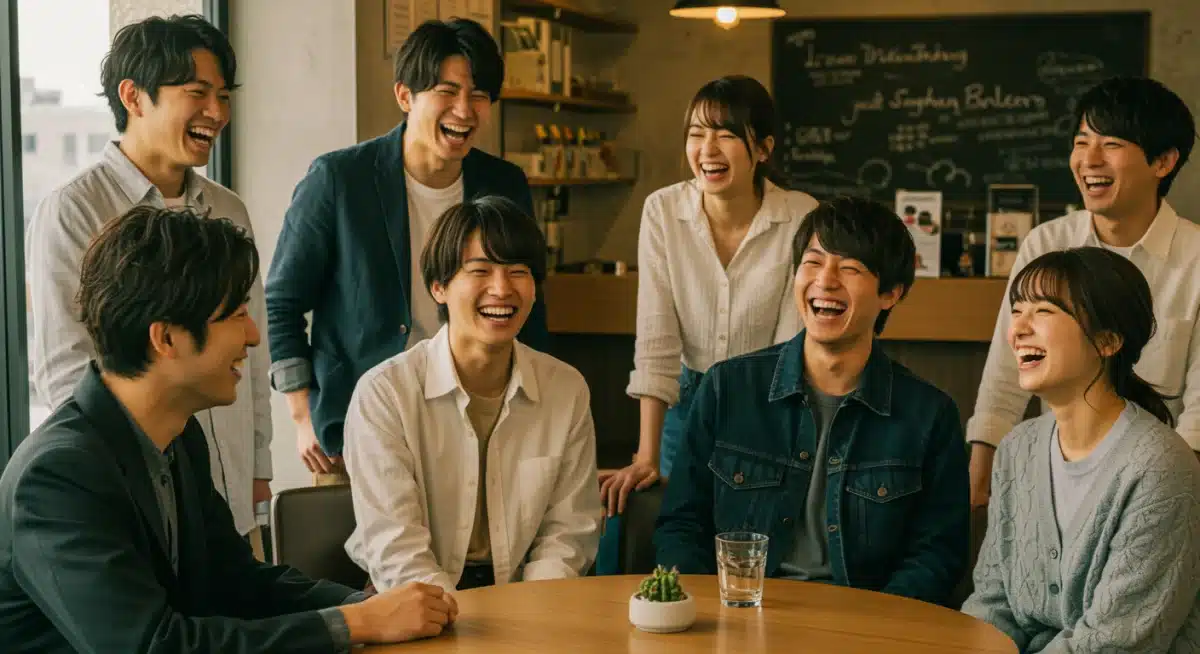
The ease of access has also contributed to a faster spread of trends and popular series. A J-Drama rom-com can now achieve global virality almost overnight, thanks to social media buzz and the immediate availability on streaming services. This phenomenon allows American fans to participate in global discussions and fandoms in real-time, enhancing their engagement with the genre.
Curated Collections and Regionalization
Streaming platforms are increasingly curating specific collections tailored to regional tastes, often highlighting J-Drama rom-coms that have shown particular resonance with American viewers. This strategy helps new audiences navigate the vast library of content.
- Dedicated sections for ‘Japanese Rom-Coms’ or ‘Asian Romance’.
- Promotional campaigns featuring popular J-Drama actors and actresses.
- Localized marketing efforts to attract diverse demographics.
The impact of streaming platforms cannot be overstated in Navigating the World of J-Drama Rom-Coms: A 2026 Genre Deep Dive for American Audiences. They have transformed J-Dramas from a niche interest into a mainstream entertainment option, fostering a new generation of fans eager to explore the nuances of Japanese romantic comedy.
Popular J-Drama Rom-Coms to Watch in 2026
As we delve into 2026, several J-Drama rom-coms have captured the imagination of American audiences, showcasing the genre’s versatility and enduring charm. These series often blend compelling narratives with strong character development and a touch of the whimsical, making them highly binge-worthy.
One standout is ‘Love Contract: Tokyo Edition,’ a series that expertly combines the fake-dating trope with a deeper exploration of emotional vulnerability. Its charismatic leads and witty dialogue have made it a fan favorite, praised for its fresh take on a classic rom-com premise.
Must-Watch Series and Why They Resonate
- ‘Salaryman’s Secret Admirer’: A heartwarming tale about an unassuming office worker who discovers his secret admirer is his CEO. It’s lauded for its genuine portrayal of unlikely love and workplace dynamics.
- ‘The Ramen Shop Romance’: This series beautifully intertwines culinary passion with budding romance, set against the backdrop of a bustling Tokyo ramen shop. Its food photography and authentic character interactions are a highlight.
- ‘Time-Slip Love Letter’: A fantasy rom-com where a modern woman exchanges letters with a man from the past. It explores destiny and connection across time, appealing to those who enjoy a fantastical element in their romance.
These series, among others, demonstrate the rich diversity within the J-Drama Rom-Coms 2026 landscape. They offer compelling reasons for American audiences to tune in, from their unique cultural perspectives to their universal themes of love and self-discovery. Each show contributes to the genre’s growing popularity, proving that Japanese storytelling has a powerful global reach.
Comparing J-Drama Rom-Coms with Western Counterparts
When Navigating the World of J-Drama Rom-Coms: A 2026 Genre Deep Dive for American Audiences, it’s insightful to compare them with their Western counterparts. While both aim to entertain with humor and romance, the stylistic and thematic differences are quite pronounced, offering distinct viewing experiences.
Western rom-coms often lean into overt displays of affection, sharp comedic dialogue, and sometimes a more cynical or satirical take on relationships. The humor can be broad, and conflicts are usually resolved with dramatic confrontations or grand romantic gestures. The focus is often on immediate gratification and passion.
Distinctive Narrative Approaches
J-Dramas, in contrast, frequently employ a more subtle approach. Emotions are often conveyed through unspoken glances, internal monologues, and small, meaningful actions. The humor tends to be situational and character-driven, often arising from awkwardness or misunderstandings rather than quick-witted banter.
- Emotional Depth: J-Dramas often prioritize character growth and emotional journeys over plot-driven drama, leading to more nuanced relationships.
- Pacing: The pacing can be slower, allowing for a gradual build-up of romantic tension and character development, which some American viewers find refreshing.
- Cultural Context: Social hierarchy, group harmony, and indirect communication play significant roles, influencing how characters interact and express their feelings.
Another key difference lies in the portrayal of intimacy. While Western rom-coms may feature more explicit romantic scenes, J-Dramas often rely on a more chaste representation of physical affection, focusing instead on emotional intimacy and the profound connection between characters. This can be a welcome change for audiences seeking a different kind of romantic narrative.
Ultimately, the comparison reveals that neither approach is inherently superior; rather, they cater to different preferences. J-Drama rom-coms offer a unique flavor of romance and comedy, enriching the global entertainment landscape and providing American audiences with diverse options for their viewing pleasure.
The Future of J-Drama Rom-Coms: What to Expect Beyond 2026
Looking beyond 2026, the future of J-Drama rom-coms appears vibrant and continually evolving, promising even more innovative storytelling and global reach. The trends observed in the current year are likely to intensify, with an even greater emphasis on diversity, technological integration, and cross-cultural collaborations. This trajectory suggests a genre that will remain dynamic and highly engaging for international audiences.
One major expectation is the continued rise of hybrid genres. Rom-coms will likely blend more frequently with fantasy, sci-fi, and even mystery elements, creating unique narratives that defy easy categorization. This fusion will offer fresh perspectives and keep the genre exciting, attracting viewers who enjoy more complex and imaginative stories.
Anticipated Innovations and Global Collaborations
The industry is also poised for significant advancements in production and distribution:
- Virtual Production: Expect more dramas to utilize virtual production techniques, creating more immersive and visually stunning settings without extensive location shoots.
- AI-Driven Personalization: Streaming platforms might leverage AI to recommend J-Drama rom-coms with even greater precision, based on individual viewer preferences and watch history.
- International Co-productions: More joint ventures between Japanese and American (or other Western) production companies could lead to rom-coms with truly global appeal, blending cultural elements seamlessly.
Furthermore, the representation of various lifestyles and relationships is expected to broaden significantly. Rom-coms may increasingly feature protagonists from different age groups, LGBTQ+ characters, and individuals navigating non-traditional relationship structures, ensuring the genre remains inclusive and relevant to a diverse modern audience.
The continued growth of fan communities and online discussions will also play a crucial role in shaping future content, with audience feedback increasingly influencing production decisions. The future of J-Drama Rom-Coms 2026 and beyond is bright, promising a rich tapestry of stories that will continue to charm and captivate audiences worldwide.
| Key Aspect | Description |
|---|---|
| Evolving Appeal | J-Drama rom-coms offer unique storytelling, cultural insights, and subtle romance, attracting a growing American audience. |
| Key Trends 2026 | Increased diversity, workplace focus, and integration of technology are shaping new narratives in the genre. |
| Streaming Impact | Platforms like Netflix and Viki have made J-Drama rom-coms highly accessible, fostering global popularity and fan engagement. |
| Future Outlook | Expect more genre hybrids, virtual production, and international collaborations, along with broader representation. |
Frequently Asked Questions About J-Drama Rom-Coms
J-Drama rom-coms often emphasize subtle emotional expressions, character growth, and situational humor, contrasting with Western counterparts’ more overt displays of affection and sharper, often satirical, dialogue. They tend to prioritize emotional intimacy over physical, providing a unique viewing experience.
Generally, most J-Drama rom-coms are suitable for a wide range of ages due to their often wholesome and lighthearted nature. While some may touch on mature themes, they typically do so with discretion, making them appropriate for younger and older audiences alike seeking feel-good entertainment.
American audiences can access a vast library of J-Drama rom-coms through major streaming platforms like Netflix, Hulu, and Amazon Prime Video. Additionally, specialized services such as Viki and Crunchyroll offer extensive collections, often with subtitles and dubbing options for various regions.
Common themes include workplace romance, unlikely couples, personal growth through relationships, overcoming social awkwardness, and the pursuit of dreams. Many also explore the importance of friendship, family dynamics, and the subtle complexities of human connection, often with a comedic twist.
Technology now plays a significant role, with plots often featuring characters connecting through social media, dating apps, or online games. This integration reflects modern communication methods and introduces contemporary dilemmas, adding a relevant and relatable layer to romantic narratives for today’s digital world.
Conclusion
Our deep dive into J-Drama Rom-Coms 2026 for American audiences reveals a genre that is not only thriving but continually evolving. From its unique storytelling approach and cultural nuances to the transformative impact of streaming platforms, J-Dramas offer a rich and diverse entertainment experience. The future promises even more innovation, blending genres and embracing global collaborations, ensuring that Japanese romantic comedies remain a beloved and dynamic part of the international entertainment landscape for years to come. For those seeking heartfelt narratives, witty humor, and a fresh perspective on love, the world of J-Drama rom-coms in 2026 is an absolute must-explore.